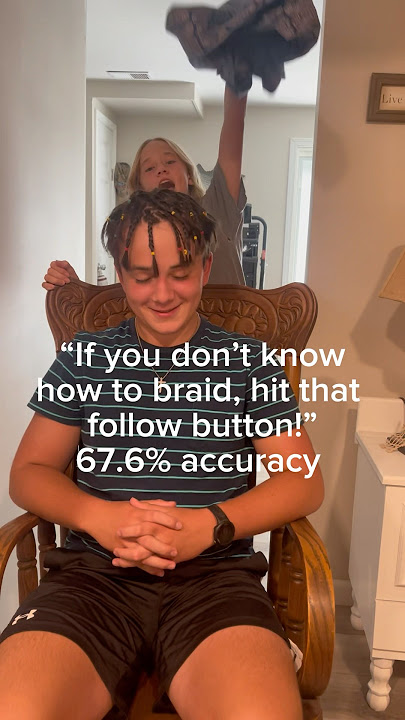
If you don’t know how to braid meme has taken the internet by storm, becoming one of the most recognizable viral sensations of 2025-2026.
This hilarious TikTok phenomenon originated from content creator @1nito_ (Juan Castano), a barber who creates entertaining videos showcasing unique braiding transformations.
The meme captures the universal awkwardness of bad haircuts and has spawned countless remixes, parodies, and cultural commentary across social media platforms.
Whether you’re scrolling through TikTok, Instagram, or Reddit, you’ve likely encountered this viral sensation that perfectly encapsulates internet humor’s evolution.
Table of Contents
What Is the “If You Don’t Know How to Braid” Meme?
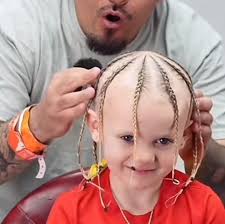
The if you don’t know how to braid meme centers around viral videos from TikTok barber @1nito_, particularly the infamous “blonde braid incident” from February 2025. The meme features young clients receiving braids that viewers found questionable or poorly executed.
The original format includes the catchphrase “If you don’t know how to braid, hit that follow button” which became instantly recognizable. This phrase was used ironically by creators to showcase braiding fails or unexpected hairstyle results.
The meme exploded after several videos went viral showing before-and-after transformations that left viewers shocked. The reactions ranged from sympathetic cringing to outright laughter at the dramatic hair changes.
Origin and Creator Behind the Viral Sensation
Juan Castano, known as @1nito_ on TikTok and Instagram, is the creator behind this viral phenomenon. With over 2 million Instagram followers, he’s established himself as a prominent figure in the hairstyling community.
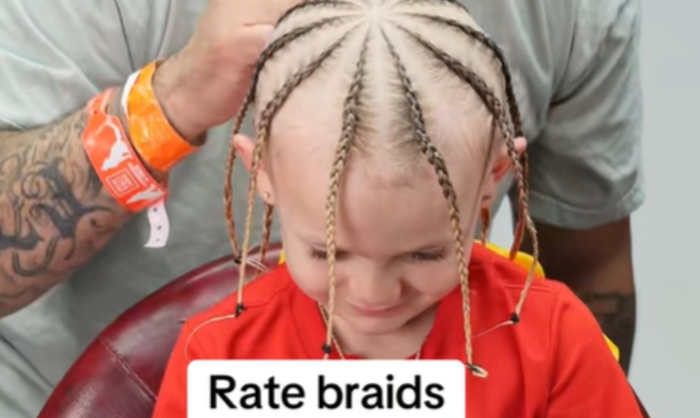
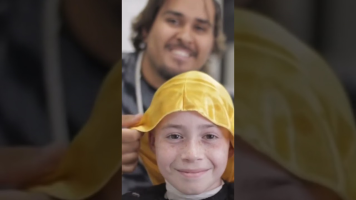
The most viral incident occurred in mid-February 2025 when @1nito_ posted a video giving a young blonde boy braids. The internet immediately reacted, claiming the hairstyle looked questionable, spawning the “blonde braid incident” meme.
On February 22nd, 2025, @1nito_ responded to the memes by posting a follow-up video showing the child actually liked his haircut. This response garnered over 6 million views in just three days, further amplifying the meme’s reach.
The creator’s signature phrase “What you guys think?” became part of the meme’s DNA. This simple question invited commentary and debate, fueling the meme’s viral spread across platforms.
The Blonde Braid Incident Explained
The blonde braid incident represents the peak of this meme’s popularity. When @1nito_ shared footage of giving a blonde child braids, TikTok users immediately began creating reaction videos and parody content.
Viewers nicknamed the style “watermelon braids” due to the color pattern and appearance. This nickname stuck and became synonymous with the entire meme phenomenon.
The incident was documented on Know Your Meme in February 2025, cementing its status as a legitimate internet culture moment. The entry was updated multiple times as the meme continued evolving.
Creators began using sad music overlays and dramatic editing to emphasize the supposed tragedy of the haircut. These remixes amplified the comedic effect and encouraged more participation in the trend.
Why This Meme Went Viral in 2025-2026
The meme tapped into universal experiences of bad haircuts that everyone can relate to. This relatability factor made it instantly shareable across demographics and age groups.
TikTok’s algorithm favored the content due to high engagement rates from comments, shares, and duets. The controversy around whether the braids actually looked bad drove endless debate in comment sections.
The phrase “if you don’t know how to braid” became a catchphrase used beyond hairstyling contexts. People applied it to various situations where someone attempts something they’re clearly unqualified for.
The timing coincided with increased interest in braiding content on TikTok. The hairstyling community was already primed for viral moments, making this meme’s success almost inevitable.
Popular Variations and Remixes
Content creators produced animated versions depicting the braid incident in various art styles. Fan artists on TikTok created drawings, digital art, and even stop-motion animations reimagining the scenario.
The sound clip from the original videos became a popular audio on TikTok. Users lip-synced to it while showing their own hairstyling disasters or before-and-after transformations.
Gaming content emerged where players recreated the braiding scenario in virtual reality barber shop games. The VR adaptation added a new dimension to the meme’s versatility.
Comparison videos emerged showing “expectation vs reality” for various braiding styles. These compilations often featured the meme as the ultimate cautionary tale about salon experiences.
Cultural Impact and Internet Phenomenon Status
The meme transcended TikTok and appeared on Instagram Reels, YouTube Shorts, and Twitter. This cross-platform presence demonstrated its broad appeal and staying power.
Major meme accounts and influencers participated in the trend, further legitimizing it. When established creators join a trend, it typically indicates mainstream acceptance and longevity.
The phrase entered everyday vocabulary among Gen Z and younger millennials. People began using it in real-life conversations, not just online interactions.
Marketing teams and brands attempted to leverage the meme for promotional content. This commercial interest, while sometimes criticized, indicated the meme’s significant cultural penetration.
The Psychology Behind Braiding Meme Success
Bad haircut stories trigger universal empathy because everyone has experienced style regret. This shared vulnerability creates an instant connection between content and audience.
The meme provides a safe outlet for laughing at awkward situations. Since the subject ultimately liked his haircut, viewers felt less guilty about finding humor in the situation.
Social media users enjoy participating in collective experiences. Memes create temporary communities united by shared jokes and references.
The visual nature of the transformation made it perfect for TikTok’s format. Before-and-after content consistently performs well because it tells a complete story quickly.
How Creators Use This Meme Format
Barbers and hairstylists post their own transformations using the audio. This allows them to showcase skills while participating in trending content.
Comedy creators apply the phrase to unrelated situations for humorous effect. The versatility of “if you don’t know how to braid” makes it applicable to countless scenarios.
Reaction channels analyze the original videos and discuss the meme’s evolution. These meta-commentaries add layers to the meme and keep it relevant through fresh perspectives.
Educational content creators ironically use the meme while teaching actual braiding techniques. This creates an interesting juxtaposition between the joke and genuine instructional value.
Connection to Broader TikTok Meme Culture
The braiding meme fits into TikTok’s tradition of transforming ordinary moments into viral sensations. The platform’s culture celebrates the mundane and elevates it through collective participation.
It shares DNA with other TikTok hair-related memes like “the braid incident” and “mess up braids meme.” These interconnected trends create a rich ecosystem of related content.
The meme demonstrates how TikTok accelerates meme lifecycles compared to older platforms. What might take months on other platforms happens in days or weeks on TikTok.
Community-driven humor remains central to the platform’s appeal. Users don’t just consume content; they actively shape and evolve it through remixes and reinterpretations.
The Role of @1nito_ in Meme History
@1nito_ joins ranks of creators who became famous through unintentional virality. His content was meant to showcase his work, not necessarily create memes.
He demonstrated grace in handling the meme’s explosive growth. Rather than getting defensive, he leaned into the humor while showing the client’s actual satisfaction.
The creator’s response video strategy proved effective for reputation management. By showing the positive outcome, he protected his professional credibility while maintaining meme relevance.
His continued content creation capitalizes on the meme without being defined by it. This balance allows him to maintain audience interest beyond a single viral moment.
Similar Viral Braiding Moments
The “Nito white kid braids” variations spawned numerous copycat videos. Other barbers attempted similar transformations hoping to capture lightning in a bottle.
“Watermelon boy” and “watermelon family” references emerged from color pattern associations. These nicknames created sub-memes within the larger cultural phenomenon.
The “messed up braids meme” category encompasses broader hairstyling fails. The @1nito_ incident became the most famous example within this genre.
Comparison to other transformation fails like makeup disasters or cooking catastrophes. The braiding meme follows established patterns of before-and-after gone wrong content.
The Meme’s Evolution Through 2025-2026
Initial reactions focused purely on the haircut’s appearance. Early content emphasized shock value and comedic disappointment.
Mid-phase content introduced more creative interpretations and artistic remixes. The meme matured beyond simple reactions into more sophisticated commentary.
Later iterations incorporated social commentary about beauty standards and judgment. Some creators used the meme to discuss deeper themes about appearance and acceptance.
Current usage maintains recognition while being more ironic and self-aware. The meme has entered its “classic” phase where references feel nostalgic rather than urgent.
Sound and Audio Elements
The original audio clip features @1nito_’s voice and ambient barber shop sounds. This authentic audio adds legitimacy and immersion to the content.
Remixes incorporated sad piano music or dramatic orchestral sounds. These audio choices emphasized the supposed tragedy for comedic effect.
The phrase “hit that follow button” became a recognizable verbal meme. Its cadence and delivery are instantly identifiable to anyone familiar with the trend.
TikTok creators layered new dialogue over the visuals for fresh interpretations. This audio flexibility allowed the meme to continually feel fresh and relevant.
Visual Aesthetics and Editing Styles
Early videos featured straightforward documentation of the braiding process. The simplicity made the results more shocking and meme-worthy.
Zoomed-in reaction shots became standard in remix videos. These close-ups on facial expressions amplified the emotional impact and humor.
Slow-motion editing highlighted the “reveal” moment for maximum effect. This cinematic technique borrowed from reality TV makeover shows.
Color grading and filters often made the braids appear more dramatic. Technical editing choices influenced how audiences perceived the hairstyle quality.
Community Reactions and Comments
Comment sections became spaces for collective roasting and humor. Users competed to write the funniest reaction, creating entertainment layers beyond the video itself.
Defenders argued the braids weren’t actually bad and praised the technique. This created healthy debate about subjective beauty standards and skill assessment.
Professional hairstylists weighed in with technical analysis. Their expert perspectives added credibility to various sides of the debate.
The creator’s fans rallied to support him against negative commentary. This loyalty demonstrated the strong community he’d built before the viral moment.
Impact on Barber and Beauty Communities
The meme sparked conversations about client satisfaction versus internet opinions. Professionals discussed the disconnect between expert assessment and viral perception.
Barbers became more conscious of documenting client reactions. This helped protect against potential viral misinterpretation of their work.
The incident highlighted how social media can make or break reputations. One viral moment can overshadow years of quality work, for better or worse.
Some professionals avoided posting certain client transformations to prevent meme-ification. This self-censorship reflected anxiety about uncontrolled viral spread.
Educational Value Despite Meme Status
The meme inadvertently taught people about different braiding styles. Many viewers researched proper techniques after seeing the viral content.
Discussions about hair texture and cultural significance emerged. The conversation expanded beyond jokes to include meaningful cultural education.
Aspiring hairstylists learned about the importance of clear client communication. The incident became a case study in managing expectations and documentation.
The meme demonstrated how to handle viral negativity professionally. @1nito_’s response became a masterclass in crisis management for content creators.
Monetization and Commercial Aspects
@1nito_ likely saw follower increases translating to sponsorship opportunities. Viral fame typically opens doors for brand partnerships and collaborations.
Meme accounts monetized through ad revenue from compilation videos. The parasitic nature of meme aggregation raises ethical questions about content ownership.
Merchandise opportunities emerged featuring catchphrases and imagery. T-shirts, stickers, and other products capitalized on the meme’s recognition.
The incident proved that negative attention can still build valuable platforms. Controversy drives engagement, which drives algorithmic promotion and growth.
Cross-Platform Meme Migration
Instagram Reels featured countless recreations and reactions. The square format required different editing approaches than TikTok’s vertical video.
YouTube Shorts allowed for longer-form analysis and commentary. Creators produced mini-documentaries examining the meme’s origins and impact.
Twitter threads dissected the meme’s cultural significance. The platform’s text-focused nature enabled deeper analytical discussions.
Reddit communities created dedicated spaces for sharing variations. Subreddits became archives preserving the meme’s evolution and different iterations.
Linguistic and Catchphrase Analysis
“If you don’t know how to braid” functions as a conditional warning. The phrase structure makes it applicable to countless situations beyond hairstyling.
“Hit that follow button” parodies typical social media engagement requests. This meta-commentary on content creator culture resonates with platform-aware audiences.
The phrase pair creates a distinctive rhythm and cadence. This linguistic memorability contributes significantly to the meme’s stickiness and longevity.
Variations like “if you ain’t know how to create a dreadhead” emerged. These linguistic mutations demonstrate the meme’s adaptability and generative potential.
The Role of Algorithms in Viral Spread
TikTok’s For You Page algorithm prioritized high-engagement content. Videos with controversial elements or strong reactions receive preferential distribution.
The algorithm created echo chambers where the meme dominated feeds. This concentrated exposure accelerated awareness and participation rates.
Hashtag optimization helped users discover related content efficiently. Strategic tagging created interconnected content networks that sustained the trend.
The timing algorithm ensured maximum visibility during peak usage hours. This technical optimization multiplied the meme’s reach beyond organic sharing alone.
Comparative Analysis With Other 2025 Memes
The braiding meme shared characteristics with “chill guy” and “Gen Z stare” memes. All reflected specific cultural moments and generational humor styles.
Unlike abstract memes like “6-7,” the braiding meme had clear visual referents. This accessibility made it more approachable for mainstream audiences.
It lacked the consumerist critique of “Labubu matcha Dubai chocolate” trends. The braiding meme remained relatively apolitical and focused on pure entertainment.
Compared to AI-generated character trends, this meme felt more authentic. Real people and genuine reactions created stronger emotional connections with audiences.
Technical Aspects of Creating Braid Content
Lighting significantly affects how braided hairstyles appear on camera. Poor lighting can make quality work look subpar, as many creators learned.
Camera angles influence perception of hair volume and braid tightness. Strategic positioning helps showcase work in the most flattering way.
Before-and-after editing techniques require careful color matching. Inconsistent lighting between shots can create misleading impressions of the transformation.
Sound quality matters for voiceover explanations and reactions. Clear audio helps creators maintain control over their content’s narrative and interpretation.
Future Predictions for the Meme
The meme will likely enter “classic” status where references feel nostalgic. Like earlier internet culture moments, it’ll be remembered fondly rather than actively circulated.
Periodic revivals may occur when similar incidents happen. New braiding controversies will inevitably be compared to the original @1nito_ moment.
The catchphrase might outlive the visual elements. Linguistic memes often have longer lifespans than image-based ones.
Documentation in meme databases ensures historical preservation. Future internet culture researchers will study this as an example of mid-2020s viral content.
Lessons for Content Creators
Authentic reactions and genuine moments resonate more than staged content. The meme’s success came from its unscripted, real-world quality.
Responding to viral negativity with grace can salvage reputation. @1nito_’s measured response turned potential disaster into continued relevance.
Documentation of client satisfaction provides protection against misinterpretation. Video proof of happy clients serves as crucial evidence when viral criticism emerges.
Embracing meme status rather than fighting it often works better. Attempting to suppress viral content typically backfires and amplifies negative attention.
The Meme’s Place in Internet History
This meme represents TikTok’s dominance in creating cultural moments. The platform has replaced Twitter and Instagram as the primary meme birthplace.
It demonstrates how individual creators can achieve viral fame instantly. The democratization of virality means anyone can become a meme overnight.
The incident highlights tensions between artistic intent and public perception. Creators’ visions don’t always align with audience interpretations.
It serves as a case study in modern reputation management. Future creators will study this as an example of navigating unexpected viral attention.
Psychological Appeal of Transformation Content
Before-and-after content taps into fundamental human interest in change. We’re wired to notice and respond to dramatic transformations.
The suspense of revealing final results creates natural engagement peaks. This narrative structure keeps viewers watching until the end.
Judgment of others’ appearance satisfies social comparison instincts. While potentially problematic, this psychological tendency drives engagement with beauty content.
The schadenfreude of “bad” results provides guilty pleasure entertainment. Viewers experience relief that they’re not experiencing the transformation themselves.
Cultural Sensitivity and Appropriation Concerns
Discussions emerged about white children getting traditionally Black hairstyles. The meme touched on complex issues of cultural appreciation versus appropriation.
Some critics viewed the mockery as disrespectful to Black hair culture. This added layers of complexity to what seemed like simple humor.
Defenders argued the criticism focused on execution, not the style itself. The debate highlighted how easily cultural conversations become polarized online.
The incident prompted broader conversations about who should create which content. These discussions continue to shape platform culture and creator behavior.
Marketing and Brand Tie-Ins
Some barbershops used the meme to promote their own services. Ironic references to “knowing how to braid” became marketing differentiators.
Hair product companies created sponsored content referencing the trend. Brands attempted to capitalize on the meme’s recognition and engagement.
The meme’s commercial use sometimes backfired when perceived as inauthentic. Audiences can detect forced trend participation and punish obvious cash-grabs.
Successful brand integration required genuine humor and self-awareness. Companies that understood the joke succeeded while those that didn’t faced mockery.
The Science of Viral Memetics
Memes succeed when they’re easily replicable and adaptable. The braiding phrase offered both specificity and flexibility for creative reinterpretation.
Emotional resonance determines whether content spreads beyond initial audiences. The mix of humor, empathy, and shock created perfect viral conditions.
Network effects amplify reach exponentially as more people participate. Each new creator introduces the meme to their follower networks.
Timing and cultural context significantly influence viral success. The meme emerged when TikTok audiences were primed for this type of content.
How to Participate in the Trend
Find the original audio on TikTok by searching relevant hashtags. Using authentic sounds increases chances of algorithm promotion.
Create your own braiding content or reaction video. Personal interpretations feel fresher than simple reposts of existing content.
Use strategic hashtags like #braidmeme #1nito #braidincident. Proper tagging connects your content to the broader conversation.
Engage with other creators’ versions through comments and duets. Community participation builds your profile within the trend ecosystem.
The Meme’s Relationship With Cancel Culture
The incident could have destroyed @1nito_’s reputation permanently. Internet pile-ons often end careers, making his survival noteworthy.
His strategic response prevented full-scale cancellation. Showing the client’s satisfaction defused the most damaging narratives.
The meme represents a gentler form of viral criticism. While mocking, it never reached the severity of true cancel culture movements.
This demonstrates the difference between viral mockery and coordinated cancellation. Not all negative attention carries the same consequences.
Regional Variations and Global Spread
The meme translated across language barriers through visual communication. Non-English speakers could participate through reaction videos and facial expressions.
Different cultures interpreted the braids through their own beauty standards. What seemed outrageous in one context appeared normal in another.
Regional hairstyling traditions influenced local variations of the meme. Creators adapted the format to reflect their cultural hair practices.
The global spread demonstrated TikTok’s truly international reach. Viral moments now routinely transcend geographic and linguistic boundaries.
Technical Skills Showcased in Original Content
Despite the mockery, the braiding demonstrated genuine technical skill. Many professional hairstylists defended the technique quality.
The consistency of braid size and tension requires significant practice. These technical elements often go unnoticed by casual viewers.
The speed at which the braids were completed indicated experience. Professional efficiency differs dramatically from amateur attempts.
The finished style’s durability and hold matter more than initial appearance. Many critics lacked understanding of how fresh braids settle over time.
The Meme’s Influence on Hair Trends
Paradoxically, interest in braiding services increased post-meme. The viral attention reminded people of braiding as a style option.
Clients became more vocal about desired outcomes during appointments. The fear of becoming a meme encouraged clearer communication.
Barbers began offering more diverse braid style consultations. The incident highlighted the importance of matching styles to individual features.
Social media documentation of hair services became standard practice. Both clients and stylists now routinely document the process and results.
Academic and Cultural Studies Perspectives
Communication scholars analyze the meme as an example of digital rhetoric. It demonstrates how meaning is constructed and negotiated in online spaces.
Sociology researchers examine it through the lens of collective behavior. The mass participation reveals patterns in how groups form and act online.
Media studies classes might use it to illustrate virality mechanics. The case offers insights into attention economics and platform dynamics.
Cultural anthropologists could view it as a modern folk practice. Memes serve similar social functions as traditional oral storytelling and jokes.
Frequently Asked Questions
What is the “if you don’t know how to braid” meme about?
The meme originated from TikTok creator @1nito_’s viral videos showing braiding transformations that internet users found questionable. The catchphrase “if you don’t know how to braid, hit that follow button” became iconic. It represents awkward haircut experiences and has spawned countless parodies across social media platforms, making it one of 2025’s most recognizable memes.
Who created the original braiding meme?
Juan Castano, known as @1nito_ on TikTok and Instagram, is the creator behind the viral braiding meme. He’s a barber with over 2 million Instagram followers who posts transformation videos. The “blonde braid incident” from February 2025 catapulted him to internet fame, generating millions of views and countless meme variations across multiple platforms.
Why did the blonde braid incident go viral?
The blonde braid incident went viral because viewers had strong reactions to the hairstyle’s appearance, dubbing it “watermelon braids.” TikTok’s algorithm promoted the controversial content due to high engagement. The debate about whether the braids actually looked bad created endless commentary. The relatability of bad haircut experiences made it universally shareable across demographics.
Is the braiding meme still popular in 2026?
Yes, the braiding meme maintains relevance in 2026 through continued references and variations. While past its peak virality, it has achieved “classic” meme status. Creators still use the catchphrase in various contexts. New braiding incidents are compared to the original. The meme’s linguistic elements ensure longer-lasting cultural presence than purely visual memes.
What happened to the kid in the braid incident?
The child from the viral incident actually liked his haircut, as shown in @1nito_’s follow-up video. This response garnered over 6 million views in three days. The creator demonstrated that the client was satisfied despite internet criticism. This revelation added complexity to the meme by challenging initial negative reactions and sparking debate about subjective beauty standards.
How can I find the original braiding meme video?
Search for @1nito_ or “blonde braid incident” on TikTok to find the original content. Use hashtags like #braidmeme, #1nito, or #braidincident to discover variations. The original videos and popular remixes appear on Instagram Reels and YouTube Shorts as well. Meme databases like Know Your Meme also document the incident with context and examples.
What does “watermelon braids” mean in this context?
“Watermelon braids” is a nickname given to the hairstyle from the viral incident due to its color pattern and appearance. The term became synonymous with the entire meme phenomenon. Users apply it to similar questionable braiding styles. The playful nickname contributed to the meme’s memorability and helped it spread across social media platforms more effectively.
Did the braiding meme hurt or help @1nito_’s career?
The meme ultimately helped @1nito_’s career by dramatically increasing his follower count and visibility. His graceful handling of viral criticism protected his professional reputation. The controversy drove traffic to his other content. He gained sponsorship opportunities and brand partnerships from the attention. The incident proved that viral fame, even from mockery, can benefit creators strategically.
Are there other similar viral braiding memes?
Yes, numerous similar braiding memes exist within the broader “hair transformation fail” genre. The “messed up braids meme” category includes various hairstyling disasters. Other creators attempted copycat content hoping for similar virality. The “Nito white kid braids” variations spawned multiple iterations. The original @1nito_ incident remains the most famous example within this content category.
How do I participate in the braiding meme trend?
To participate, find the original audio on TikTok and create your own content using it. Film reaction videos, before-and-after transformations, or parodies. Use relevant hashtags like #braidmeme, #1nito_, and #braidincident for visibility. Engage with other creators through comments and duets. Original interpretations perform better than simple reposts, so add your unique perspective to the trend.
Conclusion
The if you don’t know how to braid meme represents a fascinating case study in modern internet culture and viral content creation.
From its origins in @1nito_’s TikTok videos to its evolution into a multi-platform phenomenon, this meme demonstrates how quickly digital culture moves and adapts.
The blonde braid incident of February 2025 transcended simple mockery to become a cultural touchstone, sparking important conversations about beauty standards, cultural appreciation, client satisfaction, and the nature of viral fame itself.
What makes this meme particularly significant is its longevity and adaptability.
Unlike flash-in-the-pan trends that disappear within days, the braiding meme has achieved classic status, with its catchphrases entering everyday vocabulary and its visual elements remaining recognizable months after initial virality.