
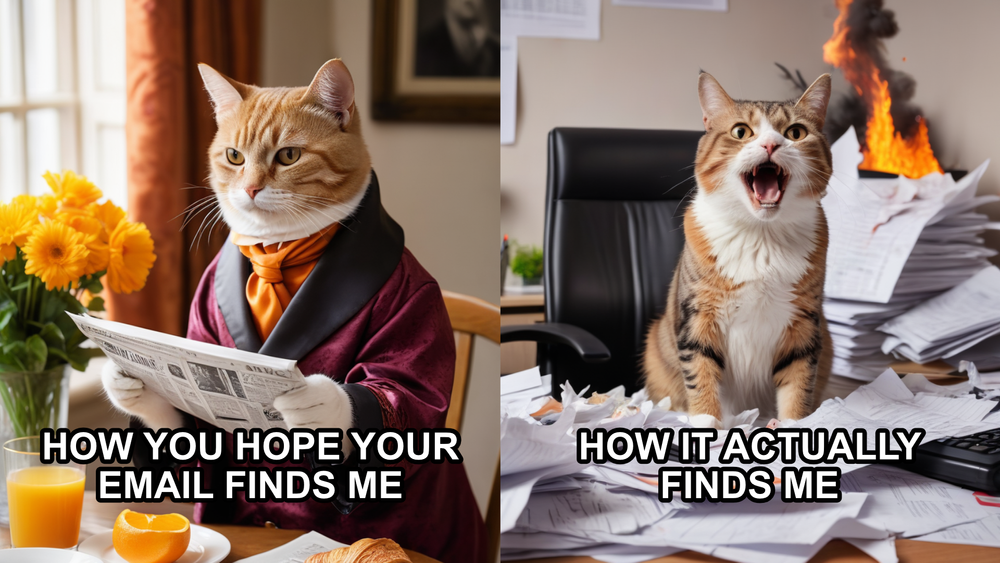
How the email found me meme emerged as one of the most relatable internet phenomena during the COVID-19 pandemic, perfectly capturing the collective exhaustion of remote workers worldwide.
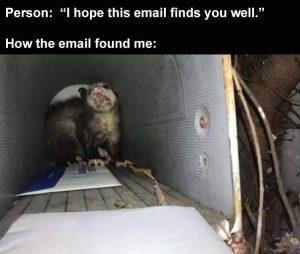
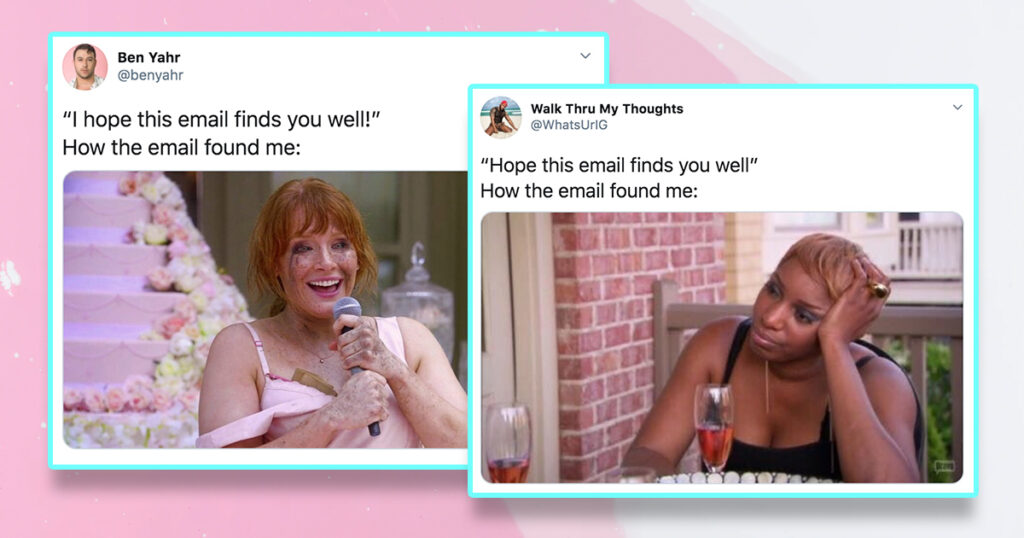
This viral trend parodies the ubiquitous email greeting “I hope this email finds you well” by pairing it with images depicting stressed, disheveled, or mentally drained individuals—representing the actual state in which emails typically find us.
The meme resonates deeply because it humorously exposes the disconnect between professional pleasantries and personal realities, transforming workplace frustrations into shareable comedy that continues thriving across Twitter, TikTok, Instagram, and corporate culture in 2026.
Table of Contents
Understanding the Email Found Me Meme Phenomenon
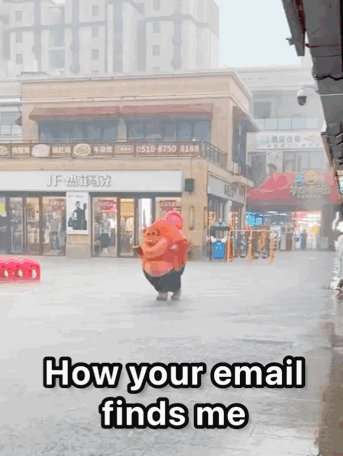
The how the email found me meme represents more than just internet humor. It captures a universal truth about modern professional communication and the mental state of workers navigating endless inbox demands.
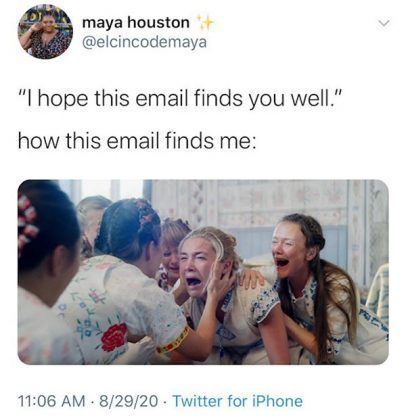
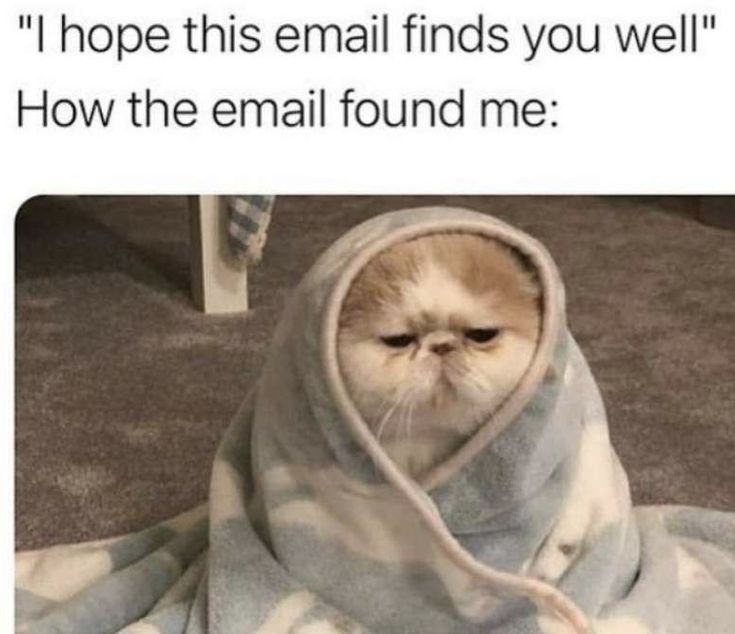
This meme format follows a simple structure. Users quote the formal greeting “I hope this email finds you well” followed by an image showing exactly how the email actually found them—typically exhausted, stressed, or barely functioning.
The brilliance lies in its simplicity and relatability. Everyone who works in a professional environment understands the disconnect between polite email formalities and their actual emotional state when opening yet another message.
Origin and Early History of the Meme
The earliest documented iterations appeared in April 2020 during the initial coronavirus quarantine period. Twitter user @wintersp00ky posted an anime character image representing how an email found them, though this early version gained minimal traction.
The format remained relatively obscure until late August 2020. That’s when the meme exploded across social media platforms, resonating with millions experiencing pandemic-related work-from-home burnout and digital communication fatigue.
The timing proved crucial. Remote workers faced unprecedented email volumes while managing isolation, anxiety, and blurred boundaries between professional and personal life—creating perfect conditions for this meme’s viral spread.
The Viral Explosion in August 2020
On August 26, 2020, Twitter user @WhatsUrIG posted a version featuring an exhausted-looking character. The tweet accumulated over 22,000 retweets and 82,000 likes within days, signaling the format’s mainstream breakthrough.
The following day, @wallysfax contributed an example using Mickey Mouse looking disheveled in a basement. This iteration gained over 37,000 retweets and 188,000 likes, cementing the meme’s viral status across Twitter.
Within 48 hours, thousands of variations flooded social media. Office workers, students, parents, and professionals from every industry contributed their own interpretations, each depicting their personal relationship with workplace emails.
Popular Variations and Examples
The most effective variations featured characters from popular culture in states of distress. The Office’s Kelly Kapoor staring soullessly became an iconic representation of email-induced numbness.
Anime characters, exhausted cats, disheveled celebrity screenshots, and crying cartoon figures all served as vehicles for expressing the gap between professional pleasantries and personal realities.
Some users posted multiple images showing progressive deterioration. These sequences illustrated how each additional email compounds stress rather than finding anyone “well” at all.
The creativity displayed in meme variations demonstrated how deeply people connected with the underlying sentiment. Every version added new layers to the collective expression of workplace fatigue.
Why This Meme Resonated So Deeply
The pandemic fundamentally changed how people worked. Suddenly, everyone conducted business exclusively through digital channels, with email becoming the primary professional communication method for millions.
This shift eliminated casual hallway conversations, water cooler breaks, and face-to-face interactions that previously provided human connection. Email became both lifeline and burden—essential yet overwhelming.
The meme gave workers permission to acknowledge their struggles. Instead of maintaining the fiction that everything was fine, people could collectively admit through humor that emails rarely found anyone “well.”
The Psychology Behind the Humor
Humor often serves as a coping mechanism for stress. The email found me meme provided socially acceptable outlet for expressing frustrations about work demands and communication overload.
By transforming individual struggles into shared comedy, the meme created community. Workers across industries, countries, and professional levels found common ground in their email-related exhaustion.
The format also offered catharsis. Rather than responding honestly to emails about their poor mental state, workers could share memes acknowledging reality while maintaining professional boundaries.
Corporate Culture and Email Fatigue
The phrase “I hope this email finds you well” represents standard professional etiquette. It’s meant to convey consideration and politeness before diving into business matters.
However, the ubiquity of this greeting during unprecedented times highlighted its disconnection from reality. Few people felt “well” during lockdowns, social isolation, economic uncertainty, and health crises.
The meme exposed how corporate communication often prioritizes formality over authenticity. Professional norms sometimes prevent honest expression of how workers actually feel when faced with mounting responsibilities.
Evolution Through 2020-2026
After its initial viral surge, the meme evolved beyond pandemic-specific contexts. It became shorthand for email overload regardless of current events or work circumstances.
By 2021, the format expanded to include variations like “how the Monday email finds me” or “how the 5pm email finds me,” demonstrating its adaptability to different workplace scenarios.
In 2022-2023, remote work normalization didn’t diminish the meme’s relevance. Instead, it transformed into commentary on hybrid work challenges, video call fatigue, and perpetual digital availability.
Through 2024-2026, the meme maintains cultural relevance as email remains central to professional life. New generations of workers discover and adapt the format to express their own experiences.
Platform-Specific Adaptations
On Twitter, the meme typically features a quoted tweet format with brief commentary and a single image. The platform’s quick-sharing nature helped drive initial viral spread.
Instagram versions often include multiple images in carousel posts, showing progression from optimistic morning states to exhausted afternoon realities when emails accumulate.
TikTok creators transformed the static meme into video format. Users film themselves reading emails with exaggerated reactions, or create skits dramatizing the disconnect between email pleasantries and personal states.
LinkedIn saw professional adaptations. Users shared the meme while adding commentary about workplace wellness, authentic communication, and managing digital overload—making it acceptable in professional contexts.
Cultural Impact and Recognition
Major media outlets covered the phenomenon. Design Taxi, Mashable, and numerous other publications analyzed why the meme resonated so profoundly with audiences worldwide.
The meme entered Know Your Meme’s database, receiving official documentation as a confirmed internet phenomenon. This recognition solidified its place in internet culture history.
Corporate training materials began acknowledging email fatigue. Some companies revised internal communication guidelines, recognizing that constant connectivity creates genuine stress rather than productivity.
The meme influenced how people discuss work-life balance. It provided vocabulary for expressing feelings about digital demands without seeming unprofessional or ungrateful.
The Role of Pandemic Context
COVID-19 lockdowns created unprecedented conditions for meme virality. People spent more time online, sought connection through social media, and needed outlets for processing collective trauma.
Remote work eliminated physical separation between professional and personal spaces. Kitchen tables became offices, bedrooms became conference rooms, and emails invaded previously protected times.
The pandemic’s unpredictability increased anxiety. Every email could contain news about changing policies, health updates, economic shifts, or new demands—rarely finding anyone in a stable, “well” state.
Workplace Communication in 2026
Despite technological advances, email remains dominant in professional communication. The predicted “death of email” hasn’t materialized, instead evolving alongside newer platforms rather than being replaced.
The how the email found me meme continues resonating because core issues persist. Workers still face overflowing inboxes, unclear boundaries, and pressure to respond quickly regardless of personal circumstances.
Modern variations address current challenges. AI-generated emails, automated responses, and algorithm-driven prioritization create new frustrations that workers express through updated meme formats.
The fundamental tension remains unchanged. Professional communication demands courtesy and composure while personal realities often involve stress, exhaustion, and overwhelm.
Different Professional Perspectives
Corporate employees relate to the meme through lens of endless internal communications, project updates, and meeting requests that fragment workdays and reduce actual productivity.
Freelancers and entrepreneurs connect differently. For them, every email represents potential income but also unpredictable demands on time and energy without traditional workplace boundaries.
Healthcare workers found particular resonance during the pandemic. Their exhaustion was literal—emails found them in hospital break rooms after grueling shifts treating COVID patients.
Educators experienced unique email overload. Transitioning to remote learning meant constant communication with students, parents, and administrators while adapting to entirely new teaching methods.
The Meme as Social Commentary
Beyond humor, the meme functions as critique of workplace culture. It questions whether constant availability and immediate responses truly benefit productivity or simply create unnecessary stress.
The format highlights mental health realities that professional norms often ignore. Pretending to be “well” when struggling becomes performative labor adding to genuine work demands.
By making these observations through humor, the meme makes uncomfortable truths discussable. It creates space for conversations about sustainable work practices and authentic communication.
The viral spread demonstrated how widely shared these frustrations are. Millions of workers across industries and countries recognized themselves in these images.
Variations Across Demographics
Younger workers particularly embraced the meme. Millennials and Gen Z, already comfortable with using humor to process difficult experiences, found the format perfectly suited to their communication styles.
Parents working from home created versions showing children interrupting, pets demanding attention, or household chaos visible in backgrounds—all while maintaining professional email composure.
Different countries adapted the meme to local contexts. Cultural variations in workplace formality and email etiquette produced unique regional interpretations while maintaining core themes.
Industry-specific versions emerged. Teachers shared classroom chaos, healthcare workers showed PPE exhaustion, tech workers depicted screen fatigue—each adding professional context to universal experiences.
The Phrase’s Origins and Usage
“I hope this email finds you well” dates back centuries to formal letter-writing conventions. It served as polite acknowledgment before addressing business matters in correspondence.
The phrase persisted through communication evolution from physical letters to telegrams to emails. Its formality signals professionalism and courtesy in business contexts.
However, its overuse in modern email communication transformed it into cliché. The automated, formulaic nature strips away original meaning, making it feel insincere despite good intentions.
The meme reclaimed agency over this phrase. Instead of passive recipients of formulaic greetings, users actively responded with honest assessments of how emails actually found them.
Email Overload Statistics
Studies show average workers receive 120+ emails daily. Managing this volume consumes 28% of workweeks—over 11 hours spent reading and responding to messages.
Email checking frequency averages every 37 minutes throughout workdays. This constant interruption fragments attention, reduces deep work capacity, and increases stress levels.
The pandemic increased email volume by 40-60% for many workers. Meetings became email threads, casual conversations shifted to written communication, and remote collaboration required more documented exchanges.
These statistics validate the meme’s premise. Emails rarely find anyone “well” when they arrive as constant interruptions to already overwhelming schedules.
Creating Your Own Version
The format’s simplicity enables easy participation. Choose any image representing stress, exhaustion, or mental strain—from pop culture characters to personal photos.
Pair the image with the phrase “how the email found me” or variations like “how your email finds me” or “where the email finds me.”
Add context if desired. Specify timing (Monday mornings, Friday afternoons), situation (post-vacation inbox, project deadlines), or sender type (boss emails, client requests).
Share on preferred platforms. Twitter favors brief captions, Instagram allows longer commentary, TikTok enables creative video interpretations of the concept.
The Meme’s Therapeutic Value
Sharing the meme validates personal experiences. Seeing thousands of others express identical feelings reduces isolation and normalizes struggles with workplace demands.
The humor provides emotional distance from stressors. Laughing about email overload temporarily relieves anxiety about inbox counts and unanswered messages.
Community formation around shared frustrations builds solidarity. Workers realize they’re not alone in finding professional communication overwhelming or maintaining composure difficult.
The meme gives permission for imperfection. It challenges expectations that workers should always be “well” regardless of circumstances or demands placed upon them.
Corporate Responses and Recognition
Some forward-thinking companies acknowledged the meme’s message. They revised communication policies, implemented “no email” windows, or reduced unnecessary digital correspondence.
Employee wellness programs began addressing digital fatigue. Recognition that constant connectivity harms mental health led to policies supporting genuine work-life boundaries.
However, many organizations ignored the underlying issues. They shared the meme on corporate social media while maintaining practices that create the email overload workers lampooned.
The gap between acknowledgment and action remains. Companies appreciate the meme’s humor but resist systemic changes needed to address root causes of employee exhaustion.
Comparison to Other Workplace Memes
The email found me meme shares DNA with other workplace humor formats. “This meeting could have been an email” expressed frustration with time-wasting gatherings.
“Quiet quitting” memes addressed doing bare minimum rather than going above and beyond. “The Great Resignation” content documented mass workforce departures during pandemic upheaval.
Together, these memes chronicle evolving worker consciousness. They demonstrate growing willingness to question norms, express frustrations, and demand better treatment from employers.
The email meme specifically targets communication overload. It complements broader conversations about sustainable work practices and mental health in professional settings.
Long-Term Cultural Legacy
The meme secured permanent place in internet culture archives. Future researchers studying pandemic-era worker experiences will reference it as primary source documenting collective sentiment.
Language evolved through the meme. “How the email found me” became shorthand for describing any gap between others’ expectations and personal reality.
The format proved adaptable enough for longevity. Unlike trends that fade quickly, this meme structure continues generating fresh variations years after initial virality.
Its cultural impact extends beyond humor. The meme influenced conversations about workplace wellness, authentic communication, and mental health in professional contexts.
Future of the Meme Format
As long as email remains primary professional communication tool, the meme stays relevant. New workplace challenges generate fresh interpretations using familiar format.
AI and automation create new anxieties. Emails from bots, algorithm-generated messages, and automated responses provide material for updated versions addressing technological changes.
Hybrid work evolution continues producing email-related frustrations. Coordinating between remote and in-office workers creates communication complexities that future meme iterations will address.
The core human truth remains constant. Professional formalities will always contrast with personal realities, ensuring this meme format retains cultural resonance.
How to Use the Meme Professionally
Share within appropriate contexts. Company Slack channels, team group chats, or workplace-friendly social media allow participation without risking professional reputation.
Add constructive commentary. When sharing, include thoughts about communication improvements, wellness practices, or boundary-setting strategies to elevate beyond mere complaining.
Use sparingly and strategically. Constant negativity harms workplace relationships. Reserve meme-sharing for moments when humor genuinely helps process shared frustrations.
Respect workplace culture. Conservative environments may not appreciate the humor. Gauge appropriateness before sharing in professional contexts.
The Role of Authenticity in Communication
The meme’s popularity highlights desire for genuine workplace interactions. Workers increasingly value honesty over performative professionalism that denies real experiences.
Younger generations particularly expect authenticity. They’re less willing to maintain facades of constant positivity when facing legitimate challenges and reasonable frustrations.
Some progressive workplaces embrace honest communication. They encourage employees to admit struggles rather than pretending everything is always fine.
However, traditional professional norms still dominate many industries. The tension between authenticity and propriety ensures continued relevance for memes addressing this disconnect.
Mental Health Awareness Through Memes
The email found me meme indirectly promoted mental health conversations. By making exhaustion visible and relatable, it normalized discussions about workplace stress.
Sharing the meme became form of mutual support. Workers acknowledged each other’s struggles through humor rather than formal mental health disclosure.
The format made invisible labor visible. It illustrated how maintaining professional composure while struggling internally constitutes real emotional work.
This contributed to broader cultural shift toward mental health openness. Memes helped make previously taboo topics discussable in mainstream workplace conversations.
Global Spread and International Versions
The meme transcended language barriers. Workers worldwide related to email overload regardless of native language or specific email phrases used locally.
International versions adapted text to local languages and workplace customs. The visual format remained consistent while words reflected regional communication norms.
Cultural differences influenced which images resonated most. Different countries favored different pop culture references, but core themes of exhaustion and disconnect remained universal.
The global spread demonstrated how modern work challenges transcend geography. Email overload and digital fatigue affect workers everywhere in connected economy.
Educational and Training Applications
Business communication courses began using the meme as teaching tool. It illustrated importance of considering recipients’ actual states rather than relying on formulaic greetings.
Professional development programs addressed email management. The meme’s popularity proved demand for skills helping workers handle digital communication more effectively.
Mental health trainings incorporated the meme to discuss workplace stress. It provided accessible entry point for conversations about managing professional demands.
The humor made serious topics approachable. Students and trainees engaged more readily with material presented through relatable meme format.
Technology’s Role in Email Evolution
Smartphone ubiquity intensified email accessibility. Workers now carry inboxes everywhere, eliminating previous boundaries between work and personal time.
Notification settings create constant interruptions. Each ping signals potential demand for attention, fragmenting focus and increasing baseline anxiety.
Email apps increasingly use AI for sorting and prioritizing. While intended to help, these features create new pressures to respond to “important” messages immediately.
The meme reflects struggles with these technological realities. It questions whether constant connectivity truly serves workers or primarily benefits employers.
Comparing Email to Other Communication Tools
Slack, Teams, and similar platforms were supposed to reduce email. Instead, they added additional communication channels without eliminating inbox pressures.
Text messages and instant messaging blur professional boundaries further. Workers face expectations of immediate responses across multiple platforms simultaneously.
Video calls introduced new fatigues during the pandemic. “Zoom fatigue” became its own phenomenon, adding to rather than replacing email-related stress.
The email found me meme could apply to any communication channel. The specific medium matters less than constant demand for attention and rapid response.
The Intersection of Humor and Critique
The meme succeeds as both entertainment and social commentary. It makes people laugh while simultaneously questioning workplace norms and communication practices.
Humor’s accessibility enables critique to reach wider audiences. Messages delivered through jokes face less resistance than formal complaints or policy proposals.
However, some worry humor domesticates legitimate grievances. Laughing about problems might release pressure that could otherwise fuel demands for actual change.
The meme likely functions both ways. It validates struggles while potentially reducing urgency for systemic solutions to identified problems.
Personal Boundaries and Digital Wellness
The meme prompted many to examine their email habits. Seeing collective exhaustion visualized motivated some to establish healthier communication boundaries.
Techniques like designated email-checking times became more popular. Workers sought to reduce constant inbox monitoring that the meme highlighted as problematic.
Digital detox conversations increased. The meme contributed to broader awareness about need for breaks from continuous connectivity.
However, individual boundary-setting has limits when systemic workplace culture demands constant availability. Personal solutions can’t fully address structural problems.
Frequently Asked Questions
What does the “how the email found me” meme mean?
The meme parodies the common email greeting “I hope this email finds you well” by showing images of stressed, exhausted, or distressed individuals representing how emails actually find people—rarely in a “well” state, especially during overwhelming workloads or pandemic stress.
When did the email found me meme start?
The meme originated in April 2020 during early COVID-19 quarantines but went viral in late August 2020. Twitter users @WhatsUrIG and @wallysfax posted versions that gained tens of thousands of engagements, launching the trend across social media platforms worldwide.
Why did this meme become so popular?
The meme resonated because it humorously captured universal experiences of email overload and workplace stress, particularly during pandemic remote work transitions. It gave workers permission to acknowledge struggles through humor while maintaining professional boundaries in actual email responses.
Is it still relevant in 2026?
Yes, the meme remains culturally relevant because email continues dominating professional communication. While specific references evolve, the core tension between professional pleasantries and personal realities ensures ongoing relatability as workers face persistent digital communication demands.
What are the best examples of this meme?
Popular versions include The Office’s Kelly Kapoor staring blankly, exhausted cats, disheveled cartoon characters, and anime figures in distress. The most effective examples visually capture the gap between how emails expect to find people versus actual mental states.
Can I use this meme at work?
Usage depends on workplace culture. It’s generally safe for team chats or casual channels with colleagues who share similar humor. Exercise caution in formal communications or conservative environments where the meme might seem unprofessional rather than relatable.
What does this meme say about workplace culture?
The meme critiques expectations of constant availability and performative professionalism. It highlights how formal communication norms often ignore genuine mental health realities, exposing disconnects between how workers are expected to be versus how they actually feel.
How do I create my own version?
Choose an image depicting stress or exhaustion—from pop culture, personal photos, or online sources. Pair it with text like “how the email found me” or variations. Share on social media platforms, adding context about timing, situation, or sender type if desired.
Did companies respond to this meme?
Some progressive companies acknowledged the message by revising communication policies or implementing wellness programs addressing digital fatigue. However, many organizations shared the meme for relatability while maintaining practices that create the email overload it critiques.
What other memes are similar to this one?
Related workplace memes include “this meeting could have been an email,” quiet quitting content, and Great Resignation commentary. Together, these formats document evolving worker consciousness about sustainable practices and mental health in professional settings.
Conclusion (150 words)
How the email found me meme transcends simple internet humor to become lasting cultural commentary on modern workplace communication and mental health realities.
Born from pandemic-era exhaustion, this viral format gave millions of workers worldwide permission to acknowledge that professional emails rarely find anyone truly “well”—especially during overwhelming circumstances.
Its enduring popularity through 2026 demonstrates that despite technological advances and evolving work arrangements, core tensions between professional expectations and personal realities remain constant.