
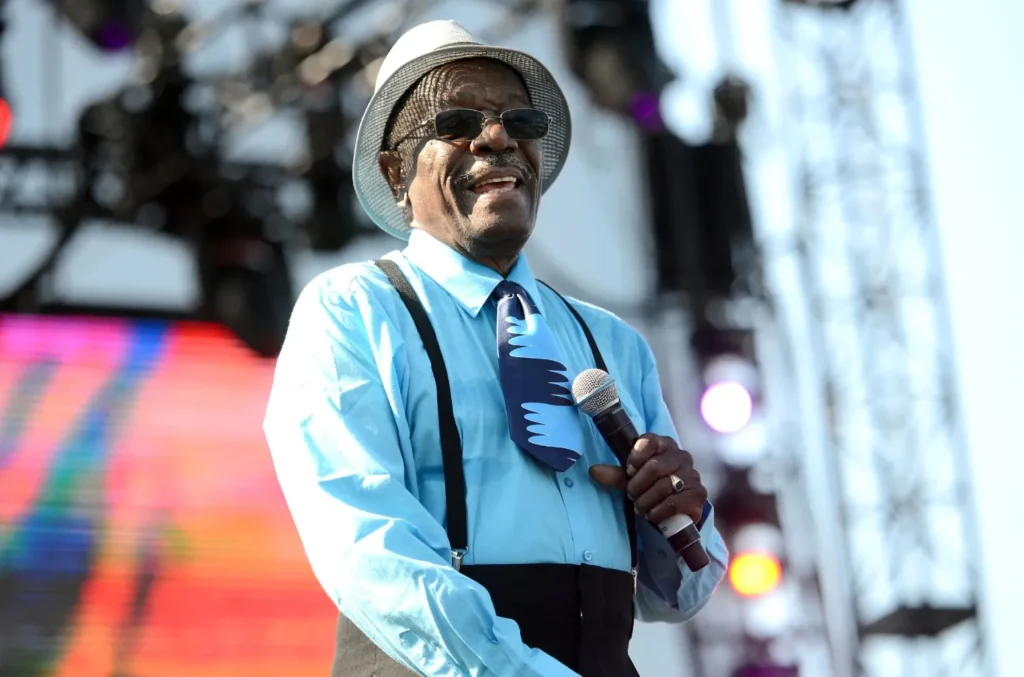
Brenton Wood net worth has been a topic of fascination for music lovers and financial enthusiasts alike, as the legendary soul singer left behind an incredible musical legacy spanning over six decades.
Born Alfred Jesse Smith, this iconic R&B artist captivated audiences worldwide with unforgettable hits like “The Oogum Boogum Song” and “Gimme Little Sign.”
His journey from humble beginnings in Louisiana to becoming a celebrated soul music icon represents not just artistic achievement but also remarkable financial success.
Throughout his illustrious career, Wood accumulated wealth through record sales, touring, royalties, and strategic investments, making him one of the most respected figures in American soul music history.
Table of Contents
Quick Facts About Brenton Wood
| Attribute | Details |
|---|---|
| Full Name | Alfred Jesse Smith |
| Stage Name | Brenton Wood |
| Date of Birth | July 26, 1941 |
| Date of Death | January 3, 2025 |
| Age at Death | 83 years |
| Birthplace | Shreveport, Louisiana, USA |
| Nationality | American |
| Profession | Singer, Songwriter, Musician |
| Genre | R&B, Soul, Pop |
| Famous Songs | “The Oogum Boogum Song,” “Gimme Little Sign,” “Baby You Got It” |
| Estimated Net Worth (2025) | $1 Million – $5 Million |
| Years Active | 1960s – 2025 |
| Marital Status | Married (details private) |
| Children | Yes (number undisclosed) |
| Education | East Los Angeles College |
Understanding Brenton Wood Net Worth in 2026
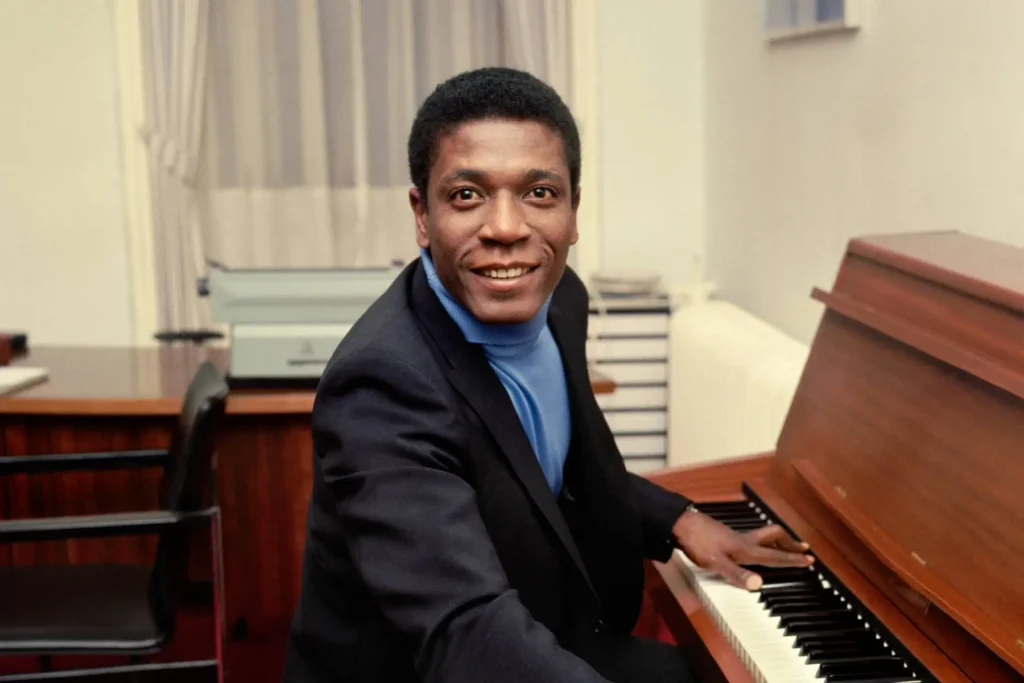
Brenton Wood net worth is estimated to have been around $3 million at the time of his passing in January 2025. However, various sources report different figures ranging from $1 million to $5 million, reflecting the complexity of calculating a music legend’s true wealth.
The variance in Brenton Wood net worth estimates stems from multiple factors including undisclosed assets, ongoing royalty streams, and private investments. His financial portfolio was built on decades of consistent music production and performance.
Throughout his career, Wood demonstrated exceptional financial acumen. Unlike many artists of his era, he maintained steady income through smart career decisions and continued touring well into his eighties.
Early Life and Background
Alfred Jesse Smith was born in Shreveport, Louisiana, into a large working-class family. He was the seventh of eleven children, growing up in an environment where music and faith were central to daily life.
His family relocated to San Pedro, California, when he was still a child. This move would prove pivotal, exposing young Alfred to the vibrant Los Angeles music scene that was flourishing during the 1950s.
In California, Wood attended San Pedro High School before moving to Compton. At Compton High School, he excelled as a track and field athlete, earning numerous awards and recognition for his athletic achievements.
After graduating high school, Wood enrolled at East Los Angeles College. It was during his college years that he began seriously pursuing music, teaching himself piano from age seven and honing his songwriting skills.
The name “Brenton Wood” was adopted during his college years. The stage name was inspired by the affluent Brentwood neighborhood in Los Angeles, symbolizing his aspirations for success and prosperity.
Career Breakthrough and Musical Success
Brenton Wood’s career officially launched in the 1960s, a golden era for soul and R&B music. He initially recorded with several small independent labels including Brent Records and Wand Records.
His breakthrough moment came in 1967 when he signed with Double Shot Records. This partnership would define his career and establish him as a household name in American music.
“The Oogum Boogum Song” peaked at No. 34 on the US Billboard Hot 100, establishing Wood as a formidable talent. The song’s quirky lyrics and infectious melody captured the spirit of the late 1960s.
But it was “Gimme Little Sign” that truly catapulted Wood to superstardom. The song reached No. 9 on the charts and sold over one million copies, earning a prestigious Gold Disc certification.
“Baby You Got It” followed as another successful single, further cementing Wood’s position in the music industry. These three hits formed the foundation of his enduring legacy.
Wood’s music resonated particularly strongly with Latino audiences in California and the Southwest. His concerts routinely sold out, demonstrating his cross-cultural appeal and lasting popularity.
Income Sources Contributing to Brenton Wood Net Worth
Album Sales and Record Royalties
Album sales represented a significant portion of Brenton Wood net worth throughout his career. His debut album “Oogum Boogum” performed well commercially, establishing a solid revenue foundation.
Beyond initial sales, Wood continued earning royalties from radio play, streaming services, and digital downloads. His classic hits maintained popularity across multiple generations, ensuring consistent income.
The transition to digital music platforms in the 2000s provided new revenue streams. Streaming services like Spotify, Apple Music, and YouTube generated ongoing royalty payments for Wood’s catalog.
Live Performances and Concert Tours
Live performances were consistently lucrative for Wood throughout his career. Even in his eighties, he continued touring, demonstrating remarkable dedication to his craft and fans.
His “Catch You On The Rebound: The Last Tour” announced in 2024 showed his commitment to performing. Despite health challenges requiring hospitalization in May 2024, Wood remained passionate about entertaining audiences.
Concert ticket sales, merchandise at venues, and appearance fees from festivals contributed substantially to Brenton Wood net worth. His ability to draw crowds decades after his peak demonstrated his enduring appeal.
Music Licensing and Synchronization Deals
Wood’s music found new life through licensing for films, television shows, and commercials. “The Oogum Boogum Song” appeared in popular productions including “The Umbrella Academy,” “Almost Famous,” and “Don’t Worry Darling.”
These synchronization deals provided substantial fees, particularly when classic tracks were featured in major productions. Licensing became an increasingly important income source in his later years.
Television commercials also frequently featured Wood’s music, introducing his sound to new generations while generating additional revenue streams that boosted Brenton Wood net worth.
Merchandise and Brand Partnerships
Merchandise sales including vinyl records, apparel, and memorabilia contributed to Wood’s income. The resurgence of vinyl collecting in recent years particularly benefited artists from his era.
Wood maintained his own record label, Mr. Wood Records, allowing him greater control over his music and merchandise. This entrepreneurial approach maximized his earning potential.
Brand endorsements and partnerships, while not extensively publicized, likely contributed to his overall financial portfolio. His reputation for professionalism made him an attractive partner.
Real Estate and Investment Portfolio
Like many successful musicians, Wood diversified his wealth through real estate investments. He owned a home in California, and likely held other properties as investment assets.
Wood had a modest collection of vintage cars, reflecting his appreciation for classic Americana. These assets represented both personal passion and financial investment.
Smart financial planning throughout his career allowed Wood to maintain wealth even during industry downturns. His long-term approach to money management proved successful.
Age and Personal Milestones
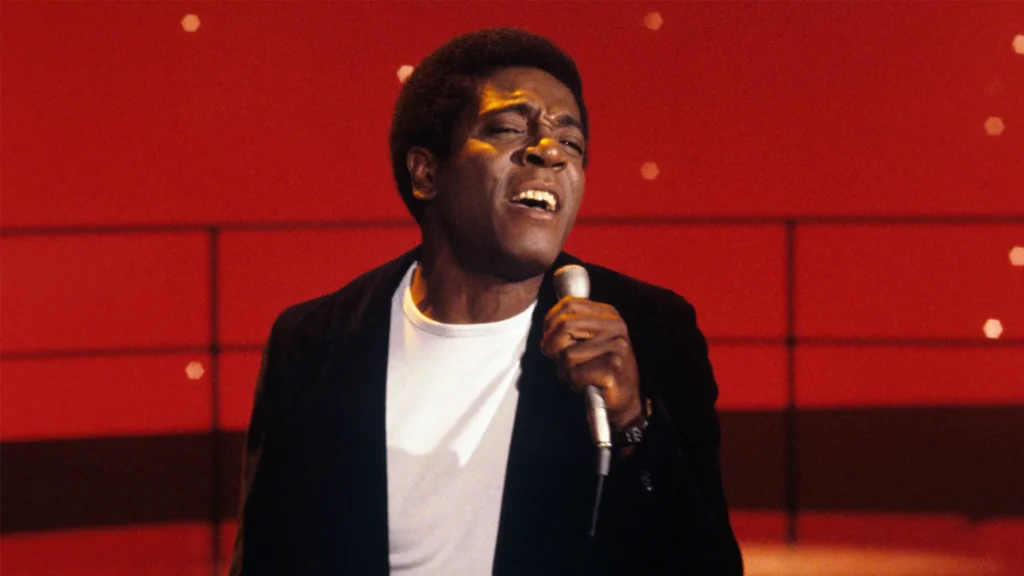
Brenton Wood was born on July 26, 1941, making him 83 years old at the time of his death on January 3, 2025. His longevity in both life and career was remarkable.
Throughout his eighties, Wood maintained an active performance schedule. His dedication to music never wavered, even as health challenges emerged in his final years.
His age represented not just years lived but decades of musical contribution. Wood bridged multiple generations of music lovers, from baby boomers to millennials discovering his work.
The singer’s ability to connect with audiences across age groups demonstrated the timeless quality of his music. His songs remained relevant and beloved throughout changing musical landscapes.
Wood’s advanced age and continued touring showed exceptional physical and mental stamina. His commitment to fans was evident in his decision to continue performing despite health concerns.
Family Life and Relationships
Brenton Wood maintained a relatively private personal life throughout his career. He was married and had three children, though specific details about his family remained largely undisclosed.
Wood’s decision to keep his family life private was intentional and respected by media throughout his career. He preferred letting his music speak while protecting his loved ones from public scrutiny.
Family played a significant role in Wood’s life and values. His daughter’s heartfelt tribute after his passing revealed a devoted father who prioritized teaching financial literacy and family values.
Despite his celebrity status, Wood remained grounded and humble. His family described him as a rock who everyone could depend on, someone who loved his family fiercely.
Wood’s relationships throughout his career were marked by professionalism and dedication. He maintained a reputation for being easy to work with and committed to his craft.
The singer’s marriage and family life remained stable throughout his decades-long career, a rarity in the entertainment industry that speaks to his character and priorities.
Children and Legacy
Wood was the seventh of eleven children in his own family, growing up in a large household that valued music and togetherness. This upbringing influenced his own approach to family.
His children remained largely out of the public eye, respecting their father’s wishes for privacy. However, their presence was clearly important to Wood’s sense of purpose and accomplishment.
Wood’s legacy extends beyond his immediate family to the countless artists he influenced. His unique style and authentic approach to music inspired generations of R&B and soul performers.
The financial legacy Wood left his family reflected careful planning and management throughout his career. His emphasis on financial education ensured his children understood wealth management.
Wood’s musical catalog remains valuable intellectual property that will continue generating income for his estate and beneficiaries. His timeless hits ensure ongoing revenue for years to come.
Musical Style and Artistic Influence
Brenton Wood’s musical style blended soul, R&B, and pop in a distinctly accessible way. His smooth vocals and catchy melodies made his music instantly recognizable and broadly appealing.
Wood drew inspiration from artists like Jesse Belvin and Sam Cooke, whose influence shaped his vocal approach and songwriting style. He honored these influences while creating his own unique sound.
His piano skills, self-taught from age seven, gave his music a particular character. Wood’s ability as both vocalist and instrumentalist enhanced his creative control and artistic vision.
The playful, upbeat nature of songs like “The Oogum Boogum Song” showcased Wood’s lighter side. Yet he could also deliver heartfelt, romantic ballads with equal effectiveness.
Wood’s authenticity resonated with audiences across racial and cultural lines. His music transcended typical genre boundaries, appealing to diverse listeners and creating a broad fanbase.
Later Career and Continued Success
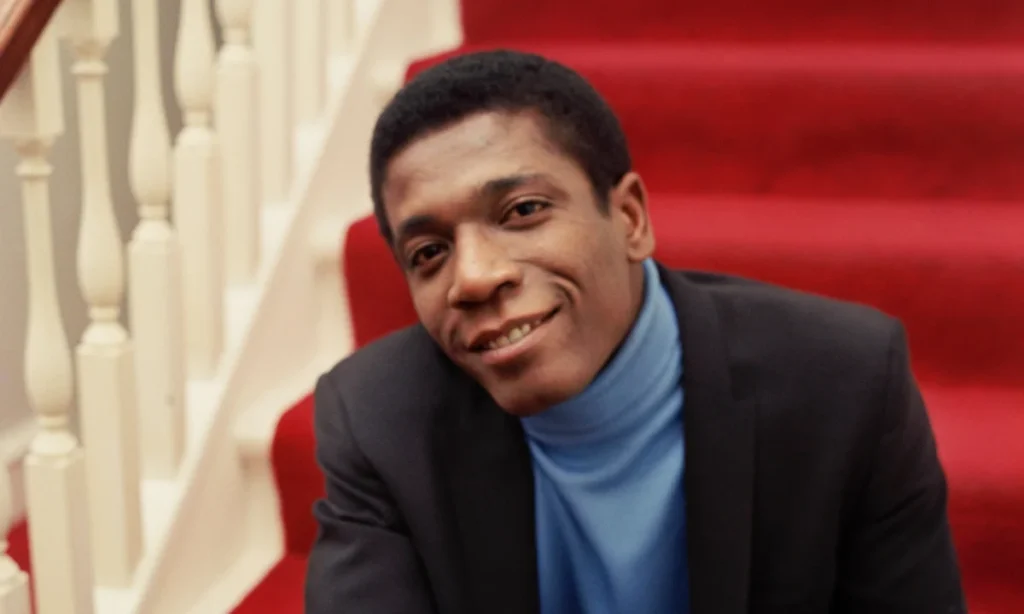
In 1972, Wood formed his own record label, demonstrating entrepreneurial spirit and desire for creative control. This move allowed greater artistic freedom and financial benefit.
Wood collaborated with notable artists including George Semper and Al McKay of Earth, Wind & Fire fame. These partnerships produced quality music while expanding his professional network.
His album “Out of the Woodwork” was released in 1986, featuring re-recordings of early hits plus new material. This project introduced his music to a new generation of listeners.
The album “This Love Is for Real” came out in 2001, proving Wood’s continued relevance and creativity well into the 21st century. His output remained consistent and quality-focused.
In 2014, Wood partnered with William Pilgrim & The All Grows Up for a remake of “Gimme Little Sign.” These collaborations kept his music fresh and contemporary.
Wood’s later career showed remarkable stamina and dedication. Unlike many artists who retire early, he continued creating and performing, maintaining connection with his fanbase.
Recognition and Awards
In September 2025, Wood was selected for induction into the National Rhythm and Blues Hall of Fame, a posthumous honor recognizing his significant contributions to American music.
This recognition came months after his passing, but acknowledged decades of influential work. The Hall of Fame induction cemented Wood’s place among R&B and soul music’s elite.
Throughout his career, Wood received various accolades including Gold Disc certifications for his million-selling singles. These awards validated his commercial success and artistic impact.
His songs’ enduring presence in popular culture served as ongoing recognition. Each film, show, or commercial featuring his music introduced new audiences to his artistry.
Wood’s influence on contemporary artists represents perhaps his greatest honor. Musicians across genres cite him as inspiration, carrying his legacy forward through their own work.
Health Challenges and Final Years
Wood was hospitalized in May 2024, forcing a pause in his farewell tour. This health setback foreshadowed the challenges that would ultimately end his life.
Despite health issues, Wood remained determined to perform and connect with fans. His resilience and dedication inspired those around him and demonstrated his passion for music.
Even in declining health, Wood maintained his sense of humor and positive spirit. Family members noted his continued engagement and occasional moments of the charm that defined his personality.
He died at his home in Moreno Valley, California, on January 3, 2025, surrounded by friends and family. His peaceful passing marked the end of an extraordinary life and career.
The circumstances of his death reflected a life well-lived and a career that brought joy to millions. Wood’s passing was mourned by fans worldwide and fellow musicians.
Impact on Popular Culture
Brenton Wood’s music became deeply embedded in American popular culture. His songs served as soundtrack to countless lives, memories, and important moments across generations.
The distinctive sound of “Gimme Little Sign” remains instantly recognizable. Its inclusion in films and shows introduces new listeners to Wood’s artistry decades after original release.
Wood’s influence on the Latino community in California and the Southwest was particularly significant. His music became part of cultural celebrations and family gatherings across these communities.
The timeless quality of his music ensured continued relevance. Young people discovering his songs today experience the same joy that captivated audiences in the 1960s.
Wood’s contribution to the soul and R&B genres helped shape these musical forms. His approach influenced how these genres developed and maintained mainstream appeal.
Financial Management and Business Acumen
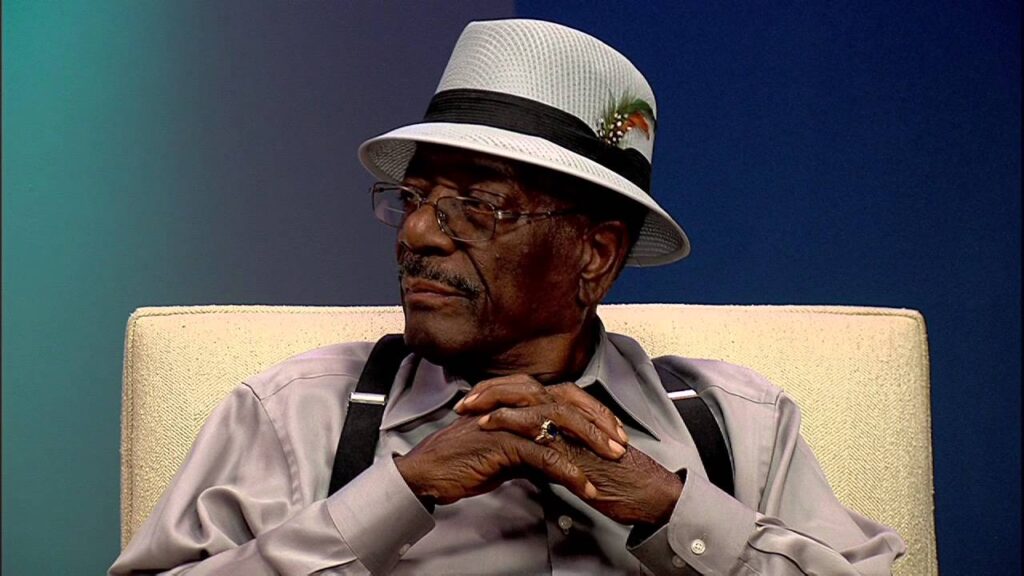
Wood’s financial success wasn’t accidental but resulted from smart decisions and careful planning. His longevity in the industry reflected both talent and business savvy.
Unlike many artists who lost rights to their music, Wood maintained awareness of his intellectual property’s value. Though he didn’t own all rights, he managed what he controlled effectively.
His decision to create his own record label showed entrepreneurial thinking. This move provided greater control over his music and potentially higher profit margins.
Wood’s investments in real estate and tangible assets like vintage cars demonstrated diversified financial planning. He understood the importance of building wealth beyond music income.
His continued touring into his eighties showed commitment to generating income rather than relying solely on past success. This work ethic contributed significantly to Brenton Wood net worth.
Comparing Brenton Wood Net Worth to Contemporary Artists
When comparing Brenton Wood net worth to modern artists, context matters significantly. The music industry has changed dramatically since Wood’s peak years in the 1960s.
Artists today can potentially earn more through streaming, but Wood’s era focused on physical album sales and radio play. Different revenue models make direct comparisons challenging.
Wood’s estimated $1-5 million net worth reflects steady income over decades rather than explosive modern earnings. His wealth accumulated gradually through consistent work and smart management.
Many contemporary artists earn more quickly but face greater financial instability. Wood’s long-term approach provided stability that many modern musicians struggle to achieve.
His financial legacy proves that moderate, sustained success can be more valuable than brief superstardom. Wood’s approach offers lessons for artists building lasting careers.
Estate Planning and Financial Legacy
Wood’s estate includes valuable music rights, real estate, and other assets accumulated throughout his career. Proper planning ensures these assets benefit his family and preserve his legacy.
The ongoing revenue from streaming, licensing, and royalties means Wood’s estate will continue generating income. His music catalog represents enduring financial value for beneficiaries.
Estate management will be crucial for maximizing Brenton Wood net worth benefits for his heirs. Professional handling of his intellectual property ensures continued optimal returns.
Wood’s emphasis on teaching his children about money suggests he prepared them for managing inherited wealth. This education will help them preserve and grow his financial legacy.
The singer’s careful financial planning throughout his life created stability for his family after his passing. His foresight and responsibility exemplify professional wealth management.
Philanthropy and Community Involvement
Wood believed in giving back to his community, particularly focusing on at-risk youth. He regularly performed at schools and community outreach events, sharing his journey and encouraging education.
His message to young people emphasized perseverance, education, and the importance of making smart decisions. Wood used his success story to inspire others facing similar challenges.
While specific charitable contributions weren’t widely publicized, Wood’s commitment to community service was evident. He understood the platform his success provided and used it responsibly.
His appearances at community events were often free or low-cost, prioritizing access and impact over profit. This generosity demonstrated values beyond personal financial gain.
Wood’s philanthropic approach aligned with his humble nature and understanding of his roots. He never forgot where he came from and remained committed to helping others.
Music Industry Changes and Adaptation
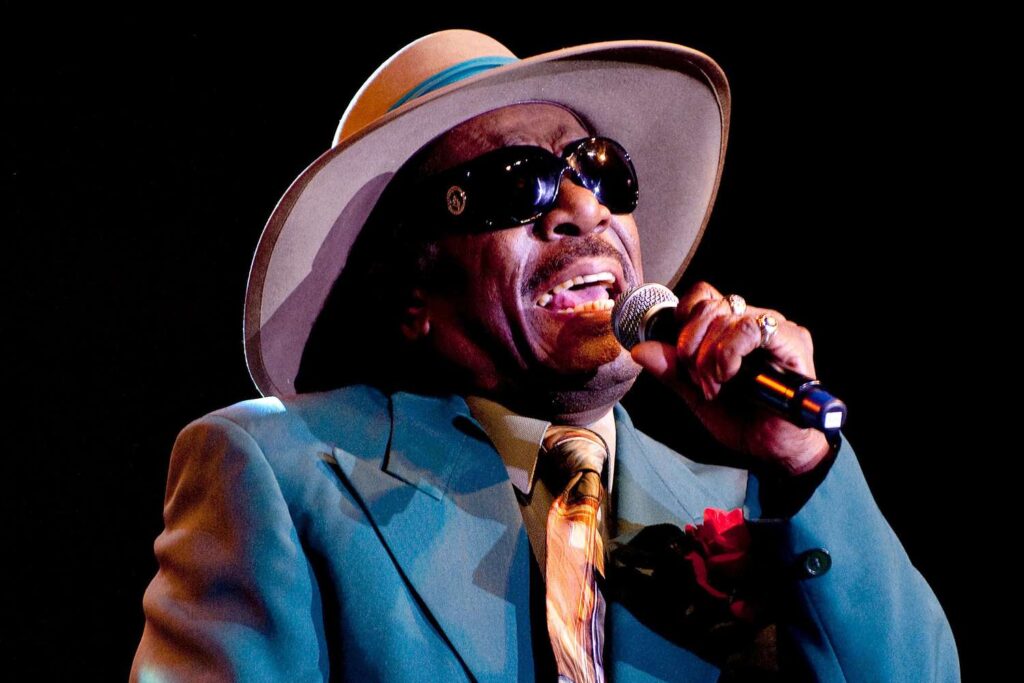
Wood witnessed dramatic changes in the music industry throughout his career. From vinyl records to cassettes, CDs, and eventually streaming, he adapted to each transition.
The shift to digital music initially challenged older artists, but Wood embraced new platforms. His music’s availability on streaming services introduced his work to younger audiences.
Changes in music distribution affected Brenton Wood net worth both positively and negatively. While physical sales declined, new digital revenue streams emerged providing ongoing income.
Wood’s ability to adapt to industry changes demonstrated flexibility and forward thinking. He understood evolving technology rather than resisting it, ensuring continued relevance.
His catalog’s enduring appeal across technological changes proved the universal quality of his music. Good songs remain good regardless of distribution method.
Cultural Significance and Historical Context
Brenton Wood’s career coincided with significant social and cultural changes in America. His success as an African American artist in the 1960s broke down barriers and opened doors.
His crossover appeal demonstrated music’s power to unite people across racial and cultural lines. Wood’s popularity with diverse audiences advanced cultural understanding and acceptance.
The 1960s civil rights movement formed the backdrop of Wood’s rise to fame. His success represented possibilities and progress during a turbulent but transformative period.
Wood’s music captured the optimism and energy of the era while transcending its limitations. His songs remain relevant because they express universal human emotions and experiences.
His historical significance extends beyond chart positions to his role in shaping American popular music. Wood’s contribution helped define the sound and spirit of an era.
Lessons from Brenton Wood’s Career
Wood’s career offers valuable lessons about longevity, authenticity, and smart business practices. His success resulted from talent combined with strategic thinking and perseverance.
His emphasis on maintaining control over his career through his own label showed entrepreneurial spirit. This independence allowed greater creative freedom and financial benefit.
Wood’s commitment to performing throughout his life demonstrated passion beyond monetary motivation. His love for music and connecting with audiences kept him engaged and relevant.
His humble approach despite success showed character and groundedness. Wood never let fame change his core values or treatment of others, earning lasting respect.
The financial stability Wood achieved through diversification and careful planning provides a model for artists. His approach balanced current income with long-term wealth building.
Media Appearances and Public Presence
Throughout his career, Wood made numerous television appearances that boosted his profile and earnings. He was a frequent guest on “American Bandstand,” exposing his music to national audiences.
Appearances on “The Real Don Steele Show” and “The Joey Bishop Show” further increased his visibility. These television spots helped drive record sales and concert attendance.
In 2006, Wood performed on the Los Angeles public access program “Thee Mr. Duran Show,” demonstrating his continued engagement with media opportunities and fan connection.
Wood’s media strategy balanced exposure with privacy, appearing frequently professionally while keeping personal life protected. This approach maintained public interest while preserving family privacy.
His comfortable television presence and engaging personality made him a popular guest. These skills contributed to his sustained career and helped maintain public awareness.
The Evolution of Soul Music and Wood’s Place
Soul music evolved significantly throughout Wood’s career, with various sub-genres and styles emerging. Wood’s contribution helped shape the genre’s development and direction.
His blend of soul, R&B, and pop created accessible music that brought soul to mainstream audiences. This crossover success helped legitimize and popularize the genre.
Wood influenced countless artists who followed, establishing stylistic templates that remain relevant. His vocal approach and songwriting style inspired multiple generations of musicians.
The enduring popularity of his music demonstrates soul’s lasting appeal and cultural significance. Wood’s work remains essential listening for understanding the genre’s history.
His place in soul music history is secure as both innovator and popularizer. Wood helped define what soul music could be and how it could reach diverse audiences.
Fan Base and Lasting Popularity
Wood’s fanbase spanned multiple generations, from those who heard his music first-released to young people discovering it decades later. This cross-generational appeal is rare and valuable.
His concerts attracted diverse audiences of different ages, backgrounds, and cultures. The universal quality of his music created connections across demographic boundaries.
Social media and streaming platforms introduced Wood’s music to new fans worldwide. Online platforms created global reach that earlier technology couldn’t provide.
Fan loyalty remained strong throughout Wood’s career, with audiences continuing to fill venues decades after his peak years. This dedication reflected the genuine connection his music created.
The tribute and mourning following his death demonstrated the depth of fan affection. People worldwide shared memories and appreciation, showing Wood’s profound impact on lives.
Future of Brenton Wood’s Musical Legacy
Wood’s music catalog will continue generating income and reaching new listeners for years to come. The timeless quality ensures ongoing relevance and financial value.
Future licensing opportunities for films, shows, and commercials will introduce his work to new generations. Each placement brings both exposure and revenue to his estate.
Potential tribute albums, documentaries, or biographical films could renew interest in Wood’s life and career. These projects would honor his legacy while creating new revenue streams.
His induction into the National Rhythm and Blues Hall of Fame ensures his contribution won’t be forgotten. This recognition provides platform for educating future music fans.
The streaming era particularly benefits catalog artists like Wood. His music’s availability ensures discovery by curious listeners exploring soul and R&B history.
Frequently Asked Questions
What Was Brenton Wood’s Net Worth at Death?
Brenton Wood net worth at the time of his death in January 2025 was estimated between $1 million and $5 million, with most reliable sources suggesting approximately $3 million. This wealth accumulated through decades of music sales, touring, royalties, and smart investments.
How Did Brenton Wood Make His Money?
Wood earned money through multiple income streams including album sales, streaming royalties, concert performances, music licensing for films and TV, merchandise sales, and real estate investments. His entrepreneurial approach with his own record label also contributed significantly to his earnings.
Was Brenton Wood Married and Did He Have Children?
Yes, Brenton Wood was married and had three children, though he kept details about his family life private throughout his career. His daughter’s public tribute after his death revealed a devoted father who prioritized family and taught financial responsibility.
What Were Brenton Wood’s Biggest Hit Songs?
Wood’s biggest hits were “Gimme Little Sign” (reaching #9 on Billboard Hot 100), “The Oogum Boogum Song” (#34), and “Baby You Got It” (#34). “Gimme Little Sign” sold over one million copies and earned a Gold Disc certification, becoming his signature song.
How Old Was Brenton Wood When He Died?
Brenton Wood was 83 years old when he passed away on January 3, 2025, at his home in Moreno Valley, California. He was born Alfred Jesse Smith on July 26, 1941, in Shreveport, Louisiana, and enjoyed a remarkably long life and career.
Did Brenton Wood Own the Rights to His Music?
Wood did not own the rights to all his songs, with many being owned by Los Angeles disc jockey Art Laboe. However, he later formed his own record label, Mr. Wood Records, which gave him greater control over subsequent releases and earnings from that music.
Where Did the Name Brenton Wood Come From?
The stage name “Brenton Wood” was adopted during his college years at East Los Angeles College. It was inspired by the affluent Brentwood neighborhood in Los Angeles, symbolizing his aspirations for success, though some sources suggest alternative origins for the name.
What Was Brenton Wood’s Real Name?
Brenton Wood’s real name was Alfred Jesse Smith. He was born with this name in Shreveport, Louisiana, in 1941, and chose his stage name after graduating high school as he began pursuing his professional music career in the 1960s.
Is Brenton Wood in Any Music Hall of Fame?
Yes, Brenton Wood was selected for induction into the National Rhythm and Blues Hall of Fame in September 2025, eight months after his death. This posthumous honor recognizes his significant contributions to R&B and soul music throughout his decades-long career.
What Happened to Brenton Wood in 2024?
In 2024, Wood announced his farewell tour called “Catch You On The Rebound: The Last Tour,” but was hospitalized in May 2024 for undisclosed reasons, forcing a pause in the tour. He continued declining in health through the year, ultimately passing away in January 2025.
Conclusion
Brenton Wood net worth represents more than financial figures—it reflects a lifetime of dedication, talent, and smart decision-making in the music industry.
From his humble beginnings in Shreveport, Louisiana, to becoming a soul music icon with an estimated $3 million fortune, Wood’s journey inspires artists and entrepreneurs alike.
His ability to generate consistent income through multiple revenue streams including album sales, live performances, music licensing, and strategic investments demonstrates comprehensive career management that many modern artists could learn from.
Beyond monetary success, Wood’s true legacy lies in his timeless music that continues touching hearts across generations.
Songs like “Gimme Little Sign” and “The Oogum Boogum Song” remain cultural touchstones, introducing new listeners to his artistry while generating ongoing revenue for his estate.