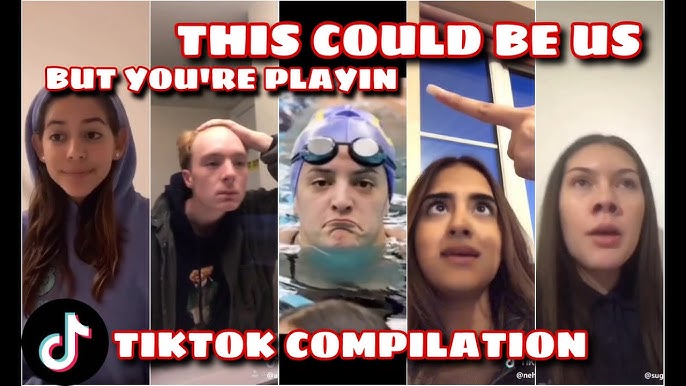
This Could Be Us But You Playin meme has become one of the most recognizable and versatile internet phenomena in digital culture.
Originating from social media platforms in early 2014, this catchphrase perfectly captures the bittersweet feeling of unrealized romantic potential with humor and relatability.
The meme format continues to evolve, making it one of the most shared and beloved memes heading into 2026.
Table of Contents
Understanding the This Could Be Us Meme
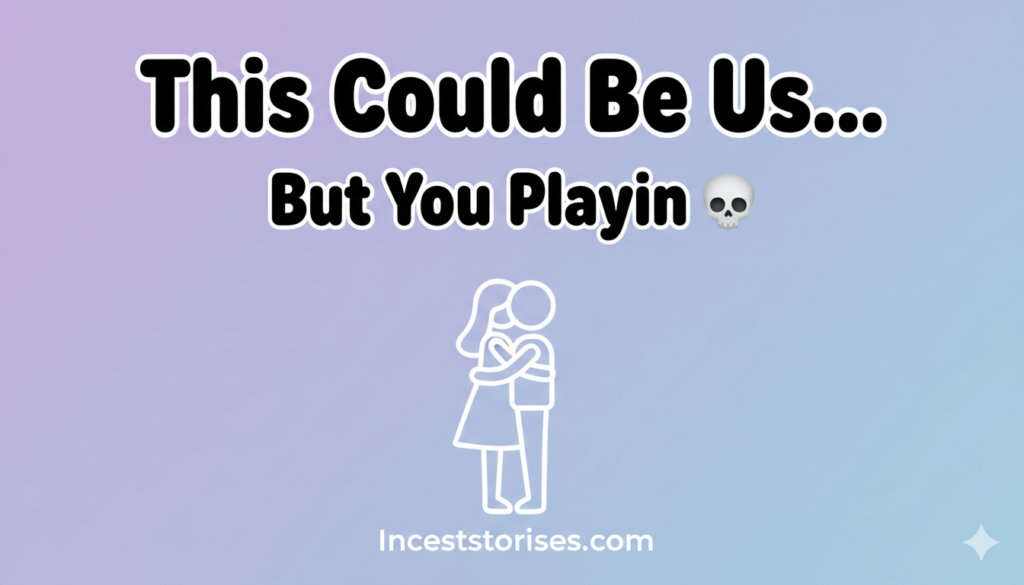
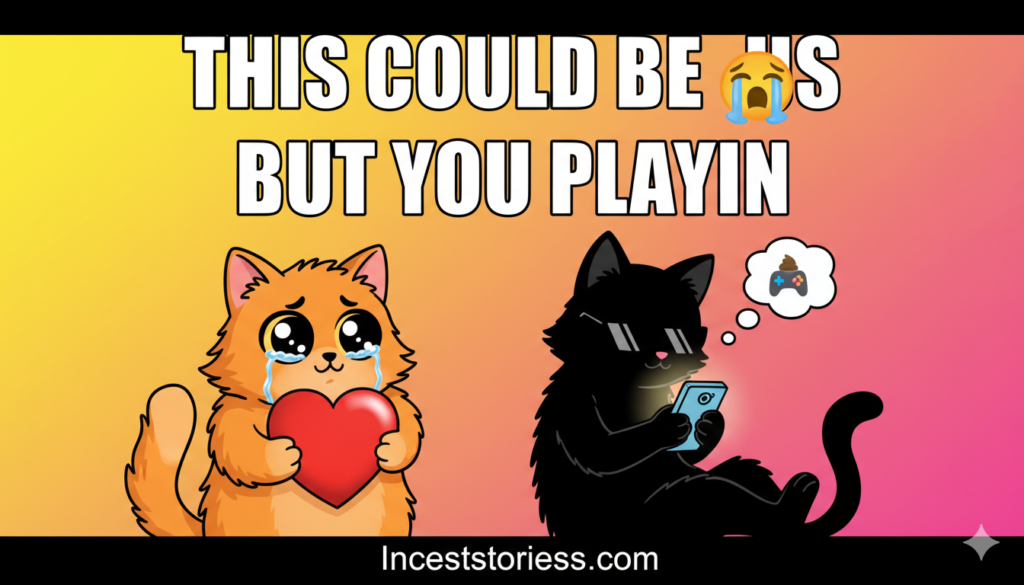
The This Could Be Us meme represents a unique blend of longing and humor. It expresses romantic aspirations while playfully acknowledging obstacles preventing those dreams from becoming reality. The phrase became cultural shorthand for relationship goals.
This meme format allows creators to showcase everything from genuine couple goals to hilariously absurd pairings. Its versatility makes it applicable across countless scenarios and contexts. The emotional resonance keeps it relevant years after its initial viral surge.
The phrase typically appears overlaid on images of couples or pairings. Some versions feature glamorous or aspirational relationships while others showcase awkward or unusual duos. This contrast creates the meme’s characteristic ironic humor.
Origins of This Could Be Us But You Playin
The meme first emerged on Twitter and Facebook in late 2013. User @blackgalaxshe posted one of the earliest known versions on January 18, 2014. The hashtag #ThisCouldBeUsButYouPlayin quickly gained traction across social platforms.
A Facebook page dedicated to the meme launched on January 25, 2014. The Twitter account @ButWhyYouPlayin followed on January 26, sharing various image macros. These accounts helped accelerate the meme’s spread throughout social media.
The phrase likely originated from rapper Maino’s 2012 song “This Could Be Us.” The song’s chorus featured similar phrasing about missed relationship opportunities. Music influence on meme culture demonstrates the interconnected nature of modern media.
Urban Dictionary Definition and Cultural Impact
On March 29, 2014, Urban Dictionary user FimogenFeels submitted an official entry. The definition described it as jokes featuring unattractive or unusual couples. The phrase “but you playin'” adds humor by shifting blame for the unrealized relationship.
Complex magazine published an article calling for the meme’s end in May 2014. Despite this, the format only grew stronger and more popular. The attempted criticism actually increased awareness and usage of the meme.
The Daily Dot highlighted the trend in February 2014 as the greatest hashtag. Their article showcased the best examples circulating on social media. Media coverage legitimized the meme as significant cultural phenomena.
Rae Sremmurd’s Musical Contribution
Hip-hop duo Rae Sremmurd released “This Could Be Us” on May 12, 2015. The track appeared on their debut album SremmLife and became a major hit. The music video garnered 39 million views demonstrating mainstream appeal.
The song’s lyrics directly reference the meme format and catchphrase. Lines like “This could be us but you playing” brought meme culture into mainstream music. This crossover helped cement the phrase in popular consciousness.
The track’s success introduced the meme to audiences unfamiliar with internet culture. Radio play and streaming expanded its reach beyond social media platforms. Music industry validation elevated the meme’s cultural significance.
Prince’s Surprising Meme Inspiration
Music legend Prince wrote a song called “This Could Be Us” in 2015. The track was inspired by a meme featuring him and Apollonia Kotero. The image parodied a motorcycle scene from the 1984 film Purple Rain.
Prince acknowledged the meme’s influence in creating the track. Multiple sources confirmed this unlikely inspiration story as authentic. A legendary artist drawing from internet culture demonstrated memes’ cultural power.
The song appears on Prince’s 2015 solo album with lyrics directly referencing the meme. Lines include “This could be us but you be playin'” maintaining the original format. High-profile musical adaptations validated meme culture as legitimate artistic inspiration.
Evolution Across Social Media Platforms
The meme spread rapidly across Twitter, Tumblr, Facebook, and Instagram. Each platform developed unique variations and usage patterns for the format. Twitter featured quick witty posts while Instagram showcased visual creativity.
Tumblr users created elaborate multi-image compilations and aesthetic versions. The platform’s visual focus led to highly stylized interpretations. Facebook saw the meme shared among broader, less internet-savvy audiences.
TikTok eventually embraced the format with video interpretations and musical overlays. Short-form video content breathed new life into the aging meme. Platform evolution ensured the meme’s continued relevance through format adaptation.
Types of This Could Be Us Memes
Ironic and Awkward Couples
The original format featured intentionally unglamorous or mismatched pairs. Awkward posing, unflattering angles, and unusual couple activities created humor. These versions mock traditional relationship goal imagery with self-aware irony.
Users shared photos of couples in bizarre situations or questionable fashion choices. The contrast between aspirational language and reality creates comedic effect. Ironic usage became the meme’s most recognizable application.
Genuine Relationship Goals
Some creators used the format to showcase actual aspirational relationships. Romantic gestures, wholesome activities, and genuine affection featured in these versions. The meme transitioned from purely ironic to sometimes sincere usage.
Couples depicted enjoying simple pleasures or supporting each other became popular. These versions emphasized emotional connection over superficial displays of romance. Genuine applications demonstrated the format’s versatility beyond pure comedy.
Pop Culture References
Movie characters, TV shows, anime couples, and celebrity pairings became meme subjects. Fictional relationships allowed creative exploration of the format’s possibilities. Fandoms embraced the meme to express shipping preferences.
Gaming characters, animated duos, and comic book couples featured prominently. Pop culture versions connected meme culture with established entertainment fandoms. Cross-pollination expanded the meme’s reach across interest communities.
Animal and Object Pairings
Creative users applied the format to animals, food items, and inanimate objects. Dogs cuddling, matching shoes, or complementary foods appeared in these versions. Absurdist humor pushed the format into surreal territory.
The flexibility to apply the phrase to anything remotely paired showcased creativity. These versions often went viral for their unexpected humor and originality. Non-human applications demonstrated the format’s limitless potential.
The “But You Playin'” Element
The second half of the phrase adds crucial emotional complexity. “But you playin'” suggests the other person isn’t taking the relationship seriously. It shifts responsibility for unrealized romance onto the recipient.
This accusatory element creates tension between desire and frustration. The phrase implies one person is ready while the other holds back. The dynamic resonates with people experiencing unreciprocated romantic interest.
The colloquial language “playin'” adds informal, conversational authenticity to the phrase. It sounds like actual communication between potential romantic partners. Linguistic authenticity enhanced the meme’s relatability and emotional impact.
Meme Variations and Spin-offs
Mistaken Text Version
A 2020 variation combined the meme with “wrong number” text screenshots. Users would send relationship memes to strangers then engage in conversation. The format added interactive elements to traditional static memes.
Power Rangers-themed versions became particularly popular within this variation. The accidental nature created additional humor layers beyond the original format. This evolution demonstrated continued creativity within the meme ecosystem.
Friendship and Family Versions
The format expanded beyond romantic relationships to friendships and family bonds. “This could be us” applied to best friend goals or sibling dynamics. Platonic applications broadened the meme’s applicability and audience.
Friend groups used it to highlight shared interests or inside jokes. Family members tagged each other in wholesome or humorous scenarios. Non-romantic applications maintained the format while expanding emotional range.
Professional and Educational Applications
Workplace relationships and study partnerships became meme subjects in creative ways. Collaborative work dynamics or shared professional goals featured in these versions. The format proved adaptable to various social contexts beyond romance.
Cultural Significance in 2026
The meme continues thriving in 2026 as a cultural touchstone. New generations discover and reinterpret the format for contemporary contexts. Its longevity demonstrates truly impactful meme staying power.
Social media algorithms still favor this format due to high engagement rates. Users continue creating fresh variations that resonate with current trends. The meme’s flexibility ensures ongoing relevance despite changing internet landscapes.
Dating app profiles and social media bios frequently reference the phrase. It has entered common vernacular beyond just meme contexts. Linguistic integration signals deep cultural penetration and lasting impact.
Psychological Appeal of the Format
The meme taps into universal experiences of unrequited interest and romantic frustration. Nearly everyone has felt attracted to someone who didn’t reciprocate fully. This relatability drives the format’s emotional resonance and sharing behavior.
Humor provides a coping mechanism for uncomfortable romantic situations. The meme allows people to express vulnerability while maintaining emotional safety. Comedic framing makes rejection and disappointment more manageable to discuss.
The aspirational element appeals to people’s desire for ideal relationships. Showcasing “goals” allows expression of romantic values and preferences. The format serves both aspirational and self-deprecating functions simultaneously.
How to Create Your Own Version
Selecting the right image is crucial for effective This Could Be Us memes. Choose pairings that create humor through incongruity or genuine appeal. The visual element should support your intended emotional tone.
Text placement and font selection impact readability and aesthetic appeal. White impact font with black outline remains standard for maximum visibility. Consistent formatting helps immediate recognition as part of the meme tradition.
Consider your audience and platform when crafting variations. Instagram favors aesthetic quality while Twitter rewards clever wit. Platform-specific optimization increases engagement and sharing potential for your creation.
Most Viral Examples Throughout History
Early versions featuring awkward couple photos achieved millions of shares. The ankle monitor couple meme became particularly iconic within the format. These pioneers established visual and tonal templates for future creators.
Celebrity and pop culture versions consistently achieve high engagement numbers. Prince’s Purple Rain motorcycle scene remains one of the most recognized. High-profile subjects leverage existing audience interest for viral potential.
Unexpected pairings like food combinations or animal duos often surprise viewers. Tobey Maguire on a fan’s back and dump trucks in love became legendary examples. Creativity and originality drive virality within saturated meme formats.
Platform-Specific Variations
Twitter’s Witty Approach
Twitter versions emphasize clever captions and timely cultural references. Character limits encourage concise, punchy delivery of the joke. The platform’s fast-paced nature favors quickly consumable content.
Real-time events and trending topics often inspire Twitter versions. Users create topical variations responding to news and entertainment developments. Twitter’s conversational nature makes it ideal for response memes.
Instagram’s Visual Focus
Instagram creators prioritize aesthetic quality and visual storytelling in their versions. High-resolution images and artistic composition characterize platform-specific content. The visual platform rewards creativity in image selection and presentation.
Story features allow interactive versions with polls or question boxes. Instagram’s social features enable creative engagement beyond static posts. Platform tools expanded possible interactions with the meme format.
TikTok’s Video Innovation
TikTok brought motion and music to the traditionally static meme format. Users create videos acting out scenarios or compiling image montages. The platform’s audio features allow musical integration enhancing emotional impact.
Duet and stitch features enable collaborative and responsive content creation. These interactive elements create community participation opportunities around the meme. Video format possibilities continue expanding creative interpretations.
Meme Lifespan and Longevity Factors
This meme’s twelve-year relevance demonstrates exceptional staying power. Most internet memes fade within months making this an outlier. Several factors contribute to its unusual longevity.
The format’s versatility allows continuous reinvention and fresh applications. New contexts and subjects prevent creative exhaustion of the concept. Flexibility ensures the meme remains relevant across changing cultural landscapes.
Emotional universality transcends generational and cultural boundaries worldwide. Romantic frustration and relationship goals resonate across demographics. The fundamental human experience keeps the meme perpetually relatable.
Commercial and Marketing Applications
Brands occasionally adopt the format for social media marketing campaigns. Product pairings or service combinations fit naturally into the structure. Commercial usage demonstrates mainstream recognition of meme cultural significance.
Dating apps and relationship-focused businesses particularly embrace the meme. Tinder, Bumble, and Match have all referenced it in campaigns. Direct relevance to their services makes adoption natural and effective.
Food brands showcase menu item combinations using the format. Restaurant chains highlight complementary dishes or promotional pairings. Commercial creativity maintains authenticity while achieving marketing objectives.
International Variations and Translations
The meme spread globally with language-specific adaptations maintaining core concept. Non-English versions translate the sentiment rather than literal phrases. Cultural adaptation ensured relevance across linguistic communities.
Some regions developed unique variations reflecting local relationship culture. Dating norms and romantic expressions influenced regional interpretations. Global spread demonstrates meme’s cross-cultural appeal and adaptability.
Visual nature allows understanding even without language comprehension. Images communicate humor and sentiment across language barriers effectively. This accessibility contributed to international viral success.
Meme Criticism and Controversy
Some critics argued the format promotes unhealthy relationship dynamics. The accusatory “but you playin'” could encourage blame in relationships. However, most users understand the humorous rather than literal intent.
Complex magazine’s 2014 article calling to end the meme sparked debates. Critics felt the format had become oversaturated and repetitive. Despite criticism, the meme’s popularity only increased over time.
Discussions about appropriate content boundaries arose regarding explicit versions. NSFW variations sparked conversations about meme culture appropriateness. Community self-regulation generally maintained acceptable content standards.
Educational and Social Value
The meme provides insight into contemporary relationship culture and communication. Researchers study it as example of digital age romantic expression. Academic interest validates meme culture as worthy of serious study.
Language evolution scholars examine how internet slang enters common usage. “But you playin'” exemplifies vernacular development through digital communication. The meme contributes to ongoing language evolution documentation.
Marketing professionals analyze the format studying viral content creation principles. Understanding successful memes helps develop effective social media strategies. The meme serves as case study in digital marketing education.
Impact on Modern Dating Culture
The meme has influenced how people communicate romantic interest online. Dating app conversations frequently reference the format when discussing relationship goals. It provides playful language for expressing desires without excessive vulnerability.
Social media profiles often include This Could Be Us references in bios. People signal their romantic preferences and humor style through these inclusions. The meme serves as cultural shorthand in modern courtship rituals.
Couples share personalized versions celebrating their actual relationships and inside jokes. Anniversary posts and relationship milestones often incorporate the format. From ironic beginnings to genuine celebration, the meme’s evolution mirrors relationships.
Gender Dynamics and the Meme
Originally the phrase “but you playin'” could apply to any gender. The accusatory element doesn’t favor one perspective over another inherently. This gender neutrality contributed to widespread adoption across demographics.
Different communities interpret the power dynamics within the phrase variably. Some see it as playful while others note underlying pressure. These discussions reveal how memes reflect broader cultural conversations.
LGBTQ+ communities embraced the format representing diverse relationship configurations. Same-gender couples and non-traditional pairings featured prominently in many versions. Inclusive applications demonstrated the meme’s universal appeal beyond heteronormative assumptions.
Meme Archaeology and Internet History
Studying This Could Be Us provides insight into 2010s internet culture. The meme captures a specific moment in social media evolution. Researchers examine it as artifact representing digital communication patterns.
Archivists preserve notable versions documenting cultural history for future study. Internet historians analyze factors contributing to exceptional longevity versus quick fading. This meme offers valuable case study material.
The transition from niche internet humor to mainstream recognition illustrates cultural diffusion. Musical adaptations and celebrity engagement mark significant milestones in legitimization. These moments demonstrate meme culture’s growing cultural influence.
Future of This Could Be Us Meme
Augmented reality filters may create new interactive versions in coming years. Virtual reality could enable immersive meme experiences beyond static images. Technological advancement will drive format evolution and innovation.
AI-generated content might produce endless variations automatically from user inputs. Machine learning could create personalized versions based on user preferences. Technology integration may democratize meme creation further.
The core concept’s universality suggests continued relevance for years ahead. As long as unrequited interest exists, the format remains relatable. Fundamental human experiences ensure meme formats endure beyond trend cycles.
Younger generations will likely discover and reinterpret the format continually. Each new cohort adds perspective reflecting their unique cultural context. Generational reinterpretation keeps classic memes fresh and relevant.
Creating Engaging This Could Be Us Content
Understanding your audience’s sense of humor guides effective content creation. Different communities respond to varying tones from sincere to absurdist. Audience analysis ensures your version resonates with intended viewers.
Timing posts to match cultural moments increases relevance and engagement. Holiday themes, current events, or trending topics provide context. Strategic timing amplifies impact and sharing potential significantly.
Encouraging interaction through questions or tags boosts algorithmic visibility. Asking followers to tag potential partners increases engagement metrics. Interactive elements transform passive viewing into active participation.
FAQs About This Could Be Us But You Playin Meme
What does This Could Be Us But You Playin mean?
The phrase expresses desire for a relationship while humorously blaming the other person for it not happening. It combines romantic aspiration with playful accusation about lack of reciprocation. The meme highlights unrealized romantic potential with self-aware humor.
When did This Could Be Us meme start?
The meme originated in late 2013 and early 2014 on Twitter and Facebook. The hashtag #ThisCouldBeUsButYouPlayin first appeared on January 18, 2014. It achieved viral status throughout early 2014 across multiple platforms.
Who created the This Could Be Us meme?
While no single creator can be credited, Twitter user @blackgalaxshe posted an early influential version. The concept emerged organically from social media culture rather than one source. Multiple users contributed to developing and popularizing the format.
Did Prince really write a song about this meme?
Yes, Prince created “This Could Be Us” inspired by a meme featuring his Purple Rain imagery. Multiple credible sources confirmed this unusual inspiration story as authentic. The 2015 song directly references the meme in its lyrics.
Why is This Could Be Us still popular in 2026?
The format’s versatility allows continuous reinvention with fresh contexts and subjects. Universal themes of romance and relationships maintain perpetual relatability across generations. Its flexibility and emotional resonance ensure ongoing cultural relevance.
Can This Could Be Us be used for non-romantic relationships?
Absolutely, the format has expanded to friendships, family bonds, and even professional partnerships. The core concept of aspirational pairing works across relationship types. Non-romantic applications demonstrate the meme’s adaptability beyond original context.
What makes a good This Could Be Us meme?
Effective versions balance humor with relatability through unexpected or aspirational pairings. Strong visual selection and clear text presentation enhance impact significantly. Understanding audience preferences and current trends increases engagement potential.
Is the meme meant to be ironic or serious?
It can be either depending on creator intent and context chosen. Original versions were primarily ironic using awkward couples for humor. Later iterations include both genuine relationship goals and absurdist comedy.
How did Rae Sremmurd’s song impact the meme?
The 2015 hit song brought mainstream attention and legitimacy to the format. Musical adaptation introduced the meme to audiences beyond internet culture. The song’s success cemented the phrase in popular consciousness.
What are the most famous This Could Be Us examples?
Prince’s Purple Rain motorcycle scene, the ankle monitor couple, and various Power Rangers versions stand out. Animal pairings and absurdist object combinations also achieved legendary status. Viral examples often combine creativity with perfect timing and relatability.
Conclusion
This Could Be Us But You Playin meme represents one of internet culture’s most enduring and adaptable formats. From its 2014 origins through continued popularity in 2026, the meme has transcended typical viral lifecycle expectations.
Its blend of humor, vulnerability, and universal romantic experiences creates lasting emotional resonance across global audiences.
The format’s flexibility enables endless creative variations while maintaining recognizable core elements that define the meme.
As social media platforms evolve and new generations discover digital culture, This Could Be Us continues demonstrating that the best memes capture fundamental human experiences with perfect balance of humor and heart.