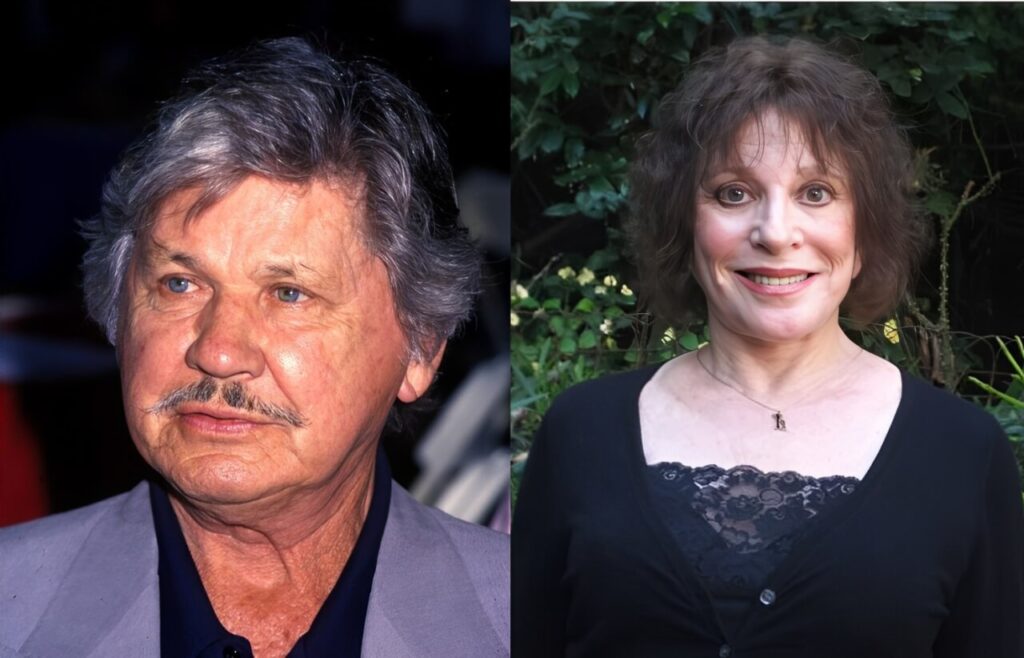
Harriet Tendler captivated public attention not merely as Charles Bronson’s first wife but as a resilient woman who carved her own identity in radio broadcasting and literature.
Born in 1929 in Pennsylvania, Tendler’s journey from aspiring actress to successful radio personality embodies determination and reinvention.
Her marriage to the legendary Hollywood tough-guy actor lasted 18 years before ending in 1967 amid heartbreak and betrayal.
Yet Tendler transformed personal adversity into professional triumph, becoming a respected radio talk show host and authoring the critically acclaimed memoir “Charlie and Me.”
Quick Facts About Harriet Tendler
| Category | Details |
|---|---|
| Full Name | Harriet Tendler Bronson |
| Birth Year | 1929 |
| Death | November 1, 2020 (Age 91) |
| Birthplace | Pennsylvania, United States |
| Nationality | American |
| Ethnicity | Caucasian (Jewish heritage) |
| Famous As | Radio host, author, Charles Bronson’s ex-wife |
| Net Worth | $1 million – $5 million |
| Children | Tony Bronson, Suzanne Bronson |
| Notable Work | “Charlie and Me” (memoir) |
Early Life and Background
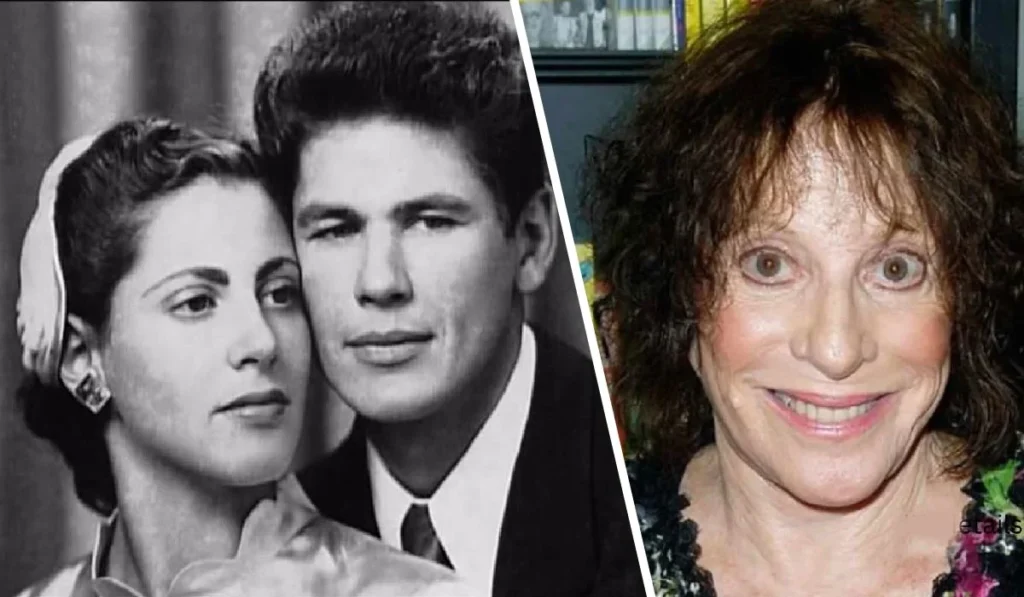
Harriet Tendler was born in 1929 in Pennsylvania to a Jewish family with strong traditional values. Her father operated a successful dairy farm, providing the family with financial stability and respectability.
Growing up in Philadelphia, Tendler developed a passion for the arts from an early age. She was an avid reader who dreamed of making her mark in entertainment and storytelling.
Her upbringing emphasized education, hard work, and personal ambition. These values would later sustain her through Hollywood’s challenges and personal heartbreak during her marriage to Charles Bronson.
The Jewish community in Philadelphia during the 1930s and 1940s was tight-knit and protective. Tendler’s later decision to marry a Catholic Lithuanian coal miner would test these community bonds significantly.
Education and Acting Aspirations
In 1947, at age 18, Harriet enrolled at the prestigious Bessie V. Hicks School of Stage, Screen, and Radio in Philadelphia. This institution trained aspiring performers in voice, movement, and dramatic arts.
Tendler studied acting techniques, stage presence, and radio performance. Her education laid the foundation for both her brief acting career and her later success in radio broadcasting.
The post-World War II era saw many young women pursuing careers in entertainment. Tendler’s ambitions reflected the era’s growing opportunities for women in media and performing arts.
Her training emphasized versatility across stage, screen, and radio. This comprehensive education would prove invaluable when she later transitioned from acting to radio hosting after her divorce.
Meeting Charles Bronson: A Fateful Encounter
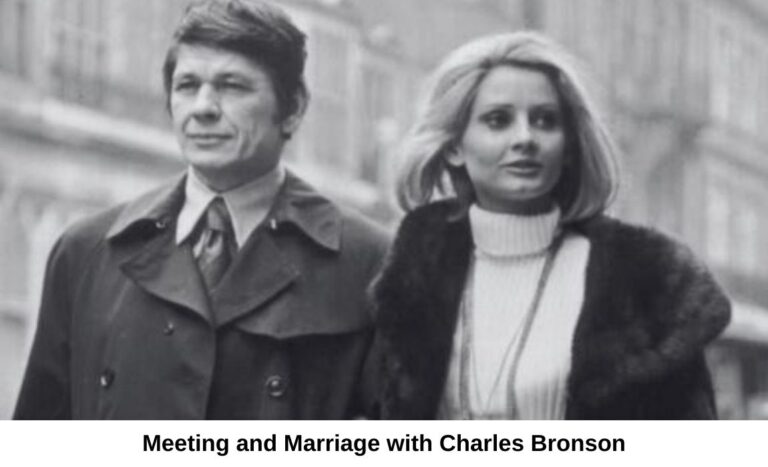
Harriet Tendler met Charles Buchinsky (later Bronson) in 1947 at the Bessie V. Hicks School. Both were aspiring actors hungry for success in the entertainment industry.
Their first date became legendary in Hollywood lore—Bronson arrived with only four cents in his pocket. Despite his poverty, Tendler saw potential and passion in the struggling actor.
Bronson, then 26, came from extreme poverty as the 11th child of Lithuanian coal miners. Tendler, 18, represented a different world—educated, middle-class, and Jewish American.
The cultural and religious differences created immediate family resistance. Tendler’s father, a successful dairy farmer, strongly opposed the relationship between his Jewish daughter and the Catholic coal miner.
Despite these obstacles, love prevailed. Tendler saw beyond Bronson’s humble origins to the driven, talented man beneath the surface of poverty and hardship.
Marriage to Charles Bronson
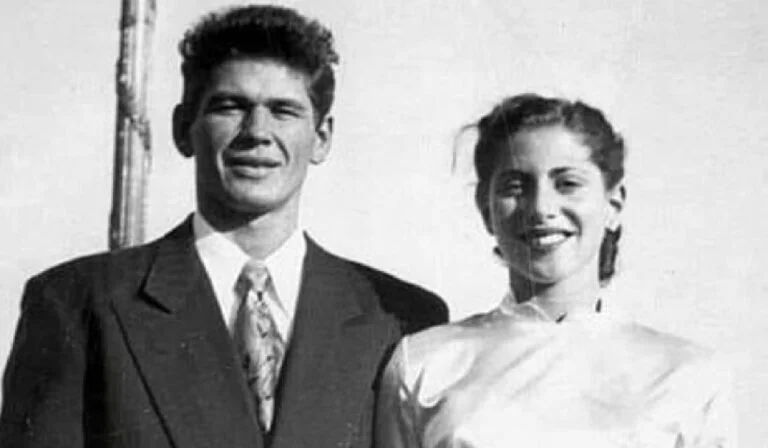
Harriet Tendler and Charles Buchinsky married in 1949 with her father’s reluctant consent. The ceremony was private, attended by close friends and family members.
The early marriage years were financially difficult. Bronson struggled to find acting work while Tendler supported them both through various jobs, sacrificing her own acting ambitions.
Tendler worked tirelessly to keep their household afloat while Bronson auditioned for roles, took odd jobs, and slowly built his acting credentials in theater and early television.
During these lean years, Tendler demonstrated remarkable patience and dedication. She believed in Bronson’s talent even when success seemed impossibly distant and unreachable.
The couple eventually had two children: daughter Suzanne Bronson, born February 27, 1955, and son Tony Bronson, born in February 1961. Tendler focused on motherhood and homemaking.
Supporting Bronson’s Rise to Stardom
Throughout the 1950s, Tendler watched her husband gradually climb Hollywood’s ranks. Charles Buchinsky changed his name to Charles Bronson in 1954 to sound more American.
As Bronson’s career gained momentum, Tendler managed the household, raised their children, and provided emotional support. She was the foundation that allowed him to pursue demanding roles.
Bronson’s breakthrough came with films like “House of Wax” (1953), “Apache” (1954), and “Vera Cruz” (1954). Each success was built on Tendler’s sacrifices and unwavering support.
By the late 1950s and early 1960s, Bronson became increasingly sought-after. His tough-guy image and distinctive features made him perfect for Westerns and action films.
Films like “The Magnificent Seven” (1960), “The Great Escape” (1963), and “The Dirty Dozen” (1967) established Bronson as a major star. Each success distanced him further from his humble beginnings—and from Tendler.
The Heartbreak: Jill Ireland Affair
In 1962, during the filming of “The Great Escape,” Charles Bronson met British actress Jill Ireland, who was married to his co-star David McCallum. The attraction was immediate and powerful.
Bronson reportedly told McCallum that he would marry Ireland one day—a shockingly bold declaration that foreshadowed the painful betrayal awaiting Harriet Tendler.
By the mid-1960s, Bronson’s affair with Ireland became increasingly difficult to hide. Tendler discovered the infidelity, shattering the marriage she had nurtured through poverty and struggle.
The emotional devastation was profound. After supporting Bronson through his darkest years and sacrificing her own career, Tendler faced abandonment just as success finally arrived.
In her memoir, Tendler wrote: “A marriage may be able to survive extra-marital sex, but extra-marital love is a shipwreck from which most marriages never recover. Our marriage did not.”
The Divorce and Its Aftermath
Harriet Tendler and Charles Bronson divorced in 1967 after 18 years of marriage. The split came as Bronson’s career reached new heights of success and fame.
The divorce left Tendler emotionally devastated and financially uncertain. She had spent nearly two decades focused on Bronson’s career while her own professional aspirations remained dormant.
Bronson married Jill Ireland on October 5, 1968, less than a year after his divorce from Tendler. The speed of his remarriage deepened Tendler’s pain and sense of betrayal.
Ireland moved into Tendler’s former life, becoming stepmother to Suzanne and Tony. The situation created complex family dynamics that would persist for decades.
Tendler faced a crucial decision: remain bitter about the past or reinvent herself entirely. She chose resilience, determination, and personal transformation despite the emotional wounds.
Reinventing Herself: Radio Career
Following her divorce, Harriet Tendler made a bold decision to pursue a career in radio broadcasting. She leveraged her training from the Bessie V. Hicks School decades earlier.
Tendler’s voice, presence, and communication skills proved perfect for radio. She quickly gained respect in Los Angeles broadcasting circles for her intelligence and professionalism.
She became a successful radio talk show host on major Los Angeles stations including KABC and KYIV. Her shows featured interviews, discussions, and community engagement programming.
Tendler’s radio career gave her a new identity beyond “Charles Bronson’s ex-wife.” She became known for insightful conversations and genuine connection with listeners.
Her success in radio demonstrated that she possessed talent and drive independent of her famous ex-husband. Tendler proved she could succeed on her own merits and abilities.
Becoming an Author
Years after her divorce, Harriet Tendler decided to share her story in writing. Her memoir “Charlie and Me” was published to critical acclaim and commercial success.
The book offered an intimate, honest portrait of her marriage to Charles Bronson. Rather than a bitter tell-all, it presented a nuanced exploration of love, sacrifice, and betrayal.
Critics praised the book, noting it “could only be written by someone who was there” and that it “humanizes the reticent and reclusive actor, Charles Bronson.”
“Charlie and Me” became a bestseller on Amazon, Goodreads, and Kindle. Prices ranged from $10 for the Kindle edition to $16 for paperback copies, showing continued reader interest.
The memoir resonated with readers facing similar relationship challenges. Tendler’s honest emotional vulnerability connected with audiences seeking stories of resilience and personal reinvention.
In addition to “Charlie and Me,” Tendler wrote two other books, though they received less attention. Her literary career established her as more than just a footnote in Bronson’s biography.
Harriet Tendler’s Net Worth
Harriet Tendler’s net worth at the time of her death was estimated between $1 million and $5 million. This wealth came from multiple income sources accumulated over decades.
Her primary income sources included her radio broadcasting career, book sales, and potentially divorce settlement assets. The exact financial terms of her divorce from Bronson were never publicly disclosed.
Radio personalities in major markets like Los Angeles typically earn substantial salaries, especially those with popular shows. Tendler’s long career in broadcasting provided steady income and financial stability.
“Charlie and Me” generated significant royalties as a bestselling memoir. The book’s continued sales on Amazon and other platforms provided ongoing passive income throughout her later years.
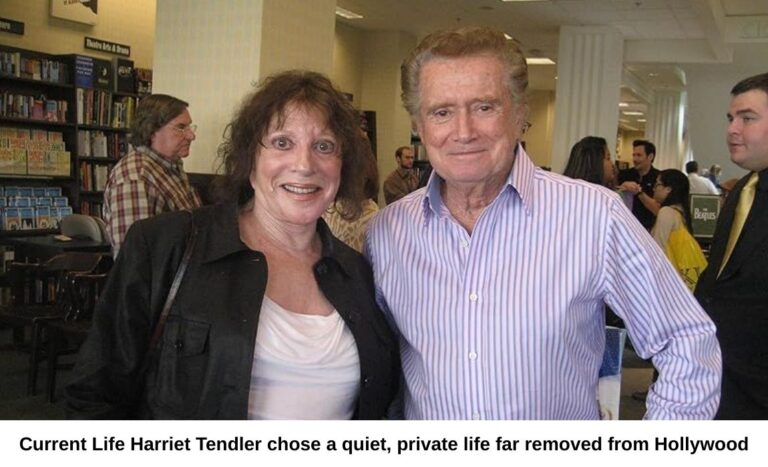
Despite accumulating considerable wealth, Tendler was known for living a modest, private lifestyle. She didn’t pursue the flashy Hollywood lifestyle her ex-husband embraced after becoming famous.
Children: Suzanne and Tony Bronson
Suzanne Bronson, born February 27, 1955, was Harriet and Charles’s first child. She navigated the complicated dynamics of having a famous father and living in two separate family units.
After her parents’ divorce, Suzanne maintained relationships with both parents. She became part of Bronson’s blended family with Jill Ireland, which eventually included seven children total.
Tony Bronson, born in February 1961, was the couple’s second child and only son. He was just six years old when his parents divorced, experiencing formative years split between two households.
Both children largely stayed out of the public spotlight, unlike their famous father. Tendler protected their privacy fiercely, wanting them to have normal childhoods despite Hollywood’s glare.
As adults, Suzanne and Tony maintained private lives away from entertainment industry attention. Tendler’s dedication to motherhood remained a constant throughout her life’s many transformations.
Life After Charles Bronson
Following her divorce and career reinvention, Harriet Tendler never remarried. She remained single for the rest of her life, focusing on her career, children, and personal growth.
Her decision to stay single may have reflected the deep emotional wounds from Bronson’s betrayal. The experience of supporting him through poverty only to be abandoned during success left lasting scars.
Tendler watched from a distance as Bronson became one of Hollywood’s highest-paid actors. By 1975, he was considered the #1 box office draw worldwide with “Death Wish” and similar films.
Despite the pain, Tendler never engaged in public feuds or bitter publicity campaigns against Bronson. She maintained dignity and class throughout her life, refusing to exploit their relationship.
Her memoir, while honest about the pain, avoided vindictiveness. This restraint demonstrated maturity and emotional intelligence that distinguished Tendler from many other Hollywood ex-spouses.
Harriet Tendler’s Legacy
Harriet Tendler’s greatest legacy is her story of resilience and reinvention. She transformed devastating personal setbacks into opportunities for growth and new achievements.
Her memoir “Charlie and Me” provides valuable historical insight into Charles Bronson’s formative years. Without Tendler’s account, much of his early struggle would remain unknown to fans and historians.
Tendler demonstrated that identity extends beyond marriage to a famous person. She proved that women can rebuild successful lives and careers even after devastating relationship endings.
Her radio career inspired others facing midlife career transitions. Tendler showed that professional reinvention is possible regardless of age or previous setbacks and disappointments.
For women who supported husbands’ careers at the expense of their own, Tendler’s story offers both caution and hope. Her journey validates their sacrifices while encouraging independent identity and achievement.
Physical Appearance and Personal Characteristics
Harriet Tendler was described as possessing natural grace and poise throughout her life. Her physical presence complemented her radio voice and professional bearing.
She had dark brown hair and hazel eyes, features often noted in period photographs. Her appearance reflected both her Jewish heritage and classic mid-century American beauty standards.
Tendler’s exact height and body measurements were never publicly disclosed. She maintained privacy about such personal details throughout her public life.
In photographs from the 1940s and 1950s, Tendler appears elegant and sophisticated. Her style reflected the fashion sensibilities of post-war American middle-class respectability.
As she aged, Tendler maintained dignified appearance and carriage. Colleagues and acquaintances remembered her as well-spoken, intelligent, and professionally polished in all public appearances.
Personality and Character Traits
Those who knew Harriet Tendler described her as resilient, determined, and remarkably strong. She possessed quiet inner strength that sustained her through multiple life challenges.
Her Jewish upbringing instilled values of education, hard work, and community responsibility. These principles guided her decisions throughout her personal and professional life.
Tendler was known for being private and protective of her personal life. Unlike many connected to Hollywood celebrities, she avoided publicity stunts and maintained personal boundaries.
Her memoir reveals emotional depth and capacity for introspection. Tendler examined her own role in relationship dynamics with honesty rarely seen in celebrity narratives.
Friends and colleagues remember her as gracious, thoughtful, and kind. Despite her painful experiences, Tendler didn’t become bitter or cynical about love and human relationships.
Relationship with Charles Bronson Post-Divorce
After their 1967 divorce, Harriet Tendler and Charles Bronson maintained limited contact primarily focused on their children. The relationship remained civil but distant.
Bronson’s marriage to Jill Ireland lasted until her death from breast cancer in 1990. The couple lived in a grand Bel Air mansion and raised seven children together.
There’s no public record of Tendler attending Bronson events or maintaining close friendship with him after divorce. The betrayal created permanent distance between them despite shared children.
When Bronson died on August 30, 2003, Tendler’s private response remained unknown. She didn’t make public statements or attend memorial services, maintaining her characteristic privacy.
Years later, through “Charlie and Me,” Tendler shared her perspective on their relationship. The book demonstrated that she had processed the pain and achieved emotional closure.
Harriet Tendler’s Death
Harriet Tendler died on November 1, 2020, at age 91. Her death marked the end of a remarkable life spanning nine decades of American cultural history.
Details surrounding her death were kept private in accordance with her lifelong preference for discretion. The exact cause of death and specific circumstances were not publicly disclosed.
Her burial location and funeral arrangements remain largely unknown. This privacy reflects Tendler’s consistent desire to control her own narrative and maintain personal boundaries.
News of her passing circulated quietly through entertainment industry circles and online memorial sites. Unlike celebrity deaths that generate extensive media coverage, Tendler’s death was noted modestly.
Her obituary appeared on FindAGrave.com and similar memorial websites. These listings acknowledge her life’s achievements while respecting the privacy she valued throughout her years.
Impact on Charles Bronson’s Career
Harriet Tendler’s support during Bronson’s struggling years was absolutely crucial to his eventual success. Without her financial and emotional support, his career might have ended before starting.
She believed in his talent when he was Charles Buchinsky, a broke coal miner’s son with an unpronounce
able ethnic name. Her faith sustained him through rejection and disappointment.
Tendler’s willingness to be the breadwinner allowed Bronson to pursue acting full-time. Many aspiring actors must work day jobs that drain energy and limit audition opportunities.
Her sacrifices gave Bronson the luxury of total focus on his craft. This undivided attention to acting contributed significantly to his skill development and eventual breakthrough.
Hollywood history contains countless stories of spouses whose support enabled famous careers. Tendler’s contribution to Bronson’s success deserves recognition alongside his talent and determination.
Lessons from Harriet Tendler’s Life
Harriet Tendler’s story teaches that personal identity must exist independently of romantic relationships. Tying your entire self-worth to a partner creates vulnerability when that relationship ends.
Her reinvention demonstrates that it’s never too late for career changes. Tendler successfully pivoted to radio broadcasting in her late 30s, an age when many consider change impossible.
The memoir “Charlie and Me” shows the power of storytelling for healing. Writing her truth helped Tendler process pain while offering guidance to others facing similar challenges.
Tendler’s dignity throughout heartbreak provides a model for handling betrayal. She refused to become bitter, vindictive, or defined solely by victimhood despite legitimate grievances.
Her life illustrates that sacrifice in relationships requires balance. Supporting a partner’s dreams is admirable, but completely abandoning your own aspirations creates dangerous dependency and resentment.
Comparing Harriet Tendler to Jill Ireland
Jill Ireland, Bronson’s second wife, came from different circumstances than Tendler. Ireland was already an established actress when she met Bronson, bringing professional experience and connections.
Where Tendler sacrificed her career for Bronson’s success, Ireland maintained her acting career throughout their marriage. She appeared in numerous films, often alongside Bronson.
Ireland’s relationship with Bronson was more publicly visible and celebrated. They presented as Hollywood’s power couple, appearing in films together and at industry events.
Tendler’s contribution happened in obscurity during struggling years. Ireland benefited from Bronson’s established success, wealth, and fame that Tendler helped create through sacrifice.
Both women demonstrated strength, though expressed differently. Tendler’s quiet resilience contrasted with Ireland’s public courage battling breast cancer before her 1990 death.
Harriet Tendler in Popular Culture
Harriet Tendler never achieved the celebrity status of her famous ex-husband. She remained largely unknown except to Bronson biographers and dedicated Hollywood historians.
Her memoir “Charlie and Me” brought temporary attention when published. Book reviews and interviews briefly spotlighted her story for audiences curious about Bronson’s private life.
Online biographical websites and databases now preserve Tendler’s story. Sites like FamousFix, Married Biography, and FindAGrave document her life for researchers and curious readers.
Social media posts occasionally reference Tendler when discussing Bronson’s life. Vintage photographs of the couple circulate on Pinterest and Instagram, attracting nostalgic interest.
Her story resonates with modern audiences discussing celebrity relationships and sacrifice. Tendler’s experience mirrors contemporary conversations about women supporting male careers at personal cost.
The Bessie V. Hicks School Connection
The Bessie V. Hicks School of Stage, Screen, and Radio played a pivotal role in both Tendler’s and Bronson’s lives. This Philadelphia institution trained numerous performers.
The school offered comprehensive performing arts education during the 1940s. Students received training across multiple media, preparing them for diverse entertainment industry opportunities.
Tendler and Bronson’s meeting at this school changed both their lives irrevocably. Without this institution, they might never have encountered each other or pursued acting careers.
The school’s radio training proved especially valuable for Tendler. Decades after graduation, these skills enabled her successful transition to radio broadcasting after divorce.
Many successful performers trained at similar regional schools during this era. These institutions democratized entertainment training, making it accessible beyond New York’s elite conservatories.
Harriet Tendler’s Jewish Heritage
Harriet Tendler’s Jewish background significantly influenced her identity and life experiences. Growing up Jewish in 1930s-1940s America shaped her worldview and values.
Her father’s resistance to her marrying Charles Bronson stemmed partly from religious differences. Intermarriage between Jews and Catholics was controversial in that era.
Jewish cultural values of education, literacy, and community responsibility clearly influenced Tendler’s life choices. Her emphasis on learning and self-improvement reflected these traditional priorities.
Tendler’s Jewish heritage may have contributed to her resilience. Jewish cultural narratives emphasize survival, adaptation, and maintaining identity despite adversity.
Despite interfaith marriage challenges, Tendler apparently maintained connection to her Jewish roots. Her obituary and biographical materials consistently note her Jewish heritage.
Financial Independence and Self-Reliance
One of Harriet Tendler’s most remarkable achievements was establishing financial independence after divorce. She didn’t rely on alimony or Bronson’s success for her livelihood.
Her radio career provided steady income that supported her lifestyle. This financial self-reliance gave Tendler freedom and dignity that dependency would have denied.
“Charlie and Me” generated additional income through book sales. The memoir’s commercial success demonstrated that her story had market value independent of Bronson’s fame.
Tendler’s estimated net worth of $1-5 million reflects decades of financial prudence. She accumulated wealth through work rather than simply receiving divorce settlement assets.
This financial independence allowed Tendler to maintain privacy and control over her life. She didn’t need publicity or continued connection to Bronson for financial survival.
The Power of Memoir and Storytelling
Harriet Tendler’s decision to write “Charlie and Me” demonstrated courage and self-awareness. Sharing painful personal experiences publicly requires vulnerability and emotional strength.
The memoir served multiple purposes: personal catharsis, historical documentation, and guidance for others. Tendler’s multifaceted motivation produced a book with lasting value.
By controlling her own narrative, Tendler prevented others from defining her story. Too often, famous men’s ex-wives become footnotes in biographies that ignore their perspectives.
The book’s commercial success validated that readers wanted Tendler’s perspective. Her voice mattered independently of Bronson’s fame, proving her individual significance.
“Charlie and Me” joins other powerful memoirs by women connected to famous men who claimed their own stories. This genre gives voice to those historically silenced or marginalized.
Relationship Status After Divorce
Harriet Tendler remained single from her 1967 divorce until her death in 2020. Over 50 years as a single woman defined the majority of her adult life.
Her decision never to remarry may have been deliberate rather than circumstantial. The profound betrayal by Bronson could have created permanent wariness about romantic relationships.
Tendler’s focus shifted to career, children, and personal fulfillment outside romantic partnership. She demonstrated that meaningful life exists beyond marriage and romantic relationships.
There’s no public record of serious romantic relationships after Bronson. Tendler maintained strict privacy, so relationships may have existed without public knowledge.
Her single status allowed complete independence and self-determination. Tendler answered to no one, built life on her terms, and prioritized personal goals over societal marriage expectations.
FAQ About Harriet Tendler
What was Harriet Tendler’s age when she died?
Harriet Tendler was 91 years old when she passed away on November 1, 2020. She was born in 1929 in Pennsylvania and lived through nine decades of significant American cultural and social change.
What was Harriet Tendler’s net worth?
Harriet Tendler’s net worth was estimated between $1 million and $5 million at the time of her death. Her wealth came primarily from her successful radio broadcasting career and book sales, particularly her bestselling memoir “Charlie and Me.”
What was Harriet Tendler’s career?
Harriet Tendler initially pursued acting but later became a successful radio talk show host on major Los Angeles stations including KABC and KYIV. She also authored three books, with “Charlie and Me” becoming her most famous and commercially successful work.
How long was Harriet Tendler married to Charles Bronson?
Harriet Tendler was married to Charles Bronson for 18 years, from 1949 to 1967. They met in 1947 at a Philadelphia acting school and divorced after Bronson began an affair with actress Jill Ireland.
How many children did Harriet Tendler have?
Harriet Tendler had two children with Charles Bronson: daughter Suzanne Bronson (born February 27, 1955) and son Tony Bronson (born February 1961). Both children maintained largely private lives outside the Hollywood spotlight.
Did Harriet Tendler remarry after divorcing Charles Bronson?
No, Harriet Tendler never remarried after her 1967 divorce from Charles Bronson. She remained single for the remaining 53 years of her life, focusing on her career as a radio host and author.
What was Harriet Tendler’s relationship status at death?
Harriet Tendler was single at the time of her death in 2020. She had been divorced from Charles Bronson for over 50 years and chose not to pursue another marriage during her lifetime.
What is Harriet Tendler’s most famous book?
Harriet Tendler’s most famous book is “Charlie and Me,” a memoir about her marriage to Charles Bronson. The book became a bestseller on Amazon, Goodreads, and Kindle, praised for its honest and dignified portrayal of their relationship.
When did Harriet Tendler meet Charles Bronson?
Harriet Tendler met Charles Bronson (then Charles Buchinsky) in 1947 at the Bessie V. Hicks School of Stage, Screen, and Radio in Philadelphia. She was 18 years old and he was 26 when they first encountered each other.
What was Harriet Tendler’s contribution to Charles Bronson’s career?
Harriet Tendler financially supported Charles Bronson throughout his struggling early years as an actor, allowing him to pursue roles full-time. She worked various jobs to support their household while he built his acting career, making sacrifices that proved crucial to his eventual Hollywood success.
Conclusion
Harriet Tendler’s remarkable life story transcends her identity as Charles Bronson’s first wife, revealing a woman of extraordinary resilience, intelligence, and determination.
Born in 1929 to a Jewish dairy farming family in Pennsylvania, Tendler navigated cultural expectations, supported a struggling actor through poverty, and ultimately rebuilt her life after devastating betrayal.
Her successful reinvention as a radio talk show host and bestselling author demonstrates that personal tragedy can become the foundation for new achievements.
With an estimated net worth between $1-5 million accumulated through her own professional efforts, Tendler proved that independence and success exist beyond famous relationships.